Articles & BlogBy Trapper W. Brown3 min readCurrent to 12 November 2026
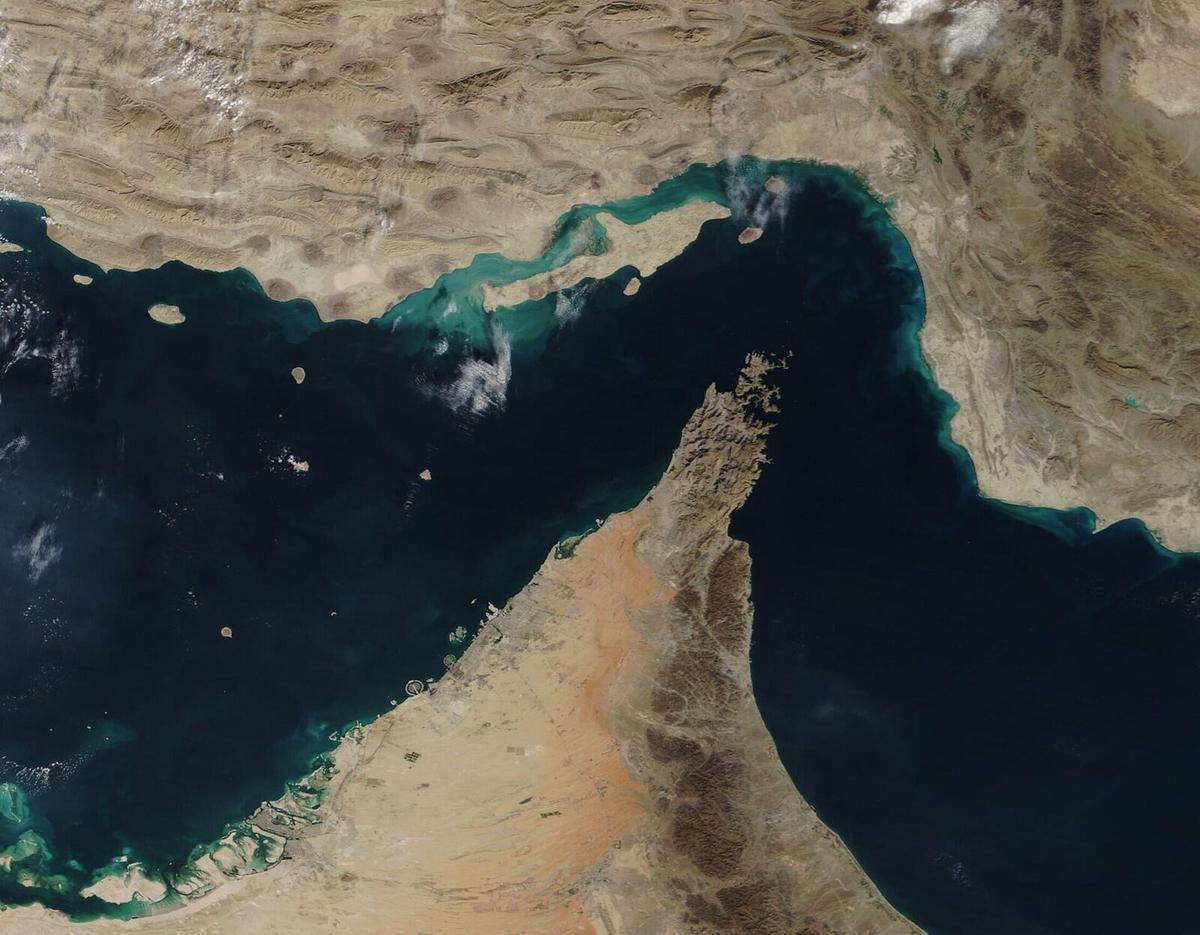 The Strait of Hormuz from orbit, with Iran to the north and the Musandam Peninsula to the south. Photo by the MODIS Land Rapid Response Team, NASA GSFC, public domain, via Wikimedia Commons.
In our earlier account ("The War in Iran: The Facts as of 12 November 2026"), full-scale combat was on hold, no ceasefire or memorandum was in force, and the U.S. naval blockade of Iranian ports remained in place. Twelve days later, as of 24 November 2026, that standoff has hardened into a grinding economic and maritime conflict with localized strikes across the region and no diplomatic breakthrough. Every point below is tied to named reporting.
1. The U.S. naval blockade and pressure inside Iran
The central friction point remains the U.S.-led naval blockade of Iranian ports. As the Soufan Center notes, the blockade has left Iran as the only Persian Gulf state unable to export oil near pre-war levels, cutting deeply into state revenue.
Inside Iran, that economic squeeze is showing up in daily life. Reporting tracked by the Institute for the Study of War (ISW) points to rising inflation, fuel shortages, and maintenance problems, along with localized strikes and demonstrations, including protests by Iranian truck drivers over fuel and upkeep costs.
Iranian officials have sharpened their public language in response. The Times of Israel and CBS News report that Tehran has labeled the blockade an act of "military aggression" and warned that if diplomatic channels and regional mediation fail to lift it, Iran could resume broader military operations.
2. Localized strikes and regional flashpoints
While large-scale air campaigns have not restarted, low-level military exchanges continue across multiple fronts:
- Strait of Hormuz and the Gulf. Iranian forces continue to threaten commercial shipping and regional military sites. ISW tracking notes localized drone and missile fire, including attempts to degrade U.S. air defense radars such as Patriot systems in Bahrain.
- Environmental and shipping toll. In late November, British endurance swimmer Lewis Pugh completed a publicized swim across the Strait of Hormuz to draw attention to the war's environmental damage, telling CBS News that explosions could still be heard near shipping lanes during his route.
- Yemen and Saudi infrastructure. The Houthi movement remains active on land and in the air. ISW and Critical Threats report continued Houthi offensive operations, including claims of strikes targeting Saudi energy infrastructure such as the Petrol Rabigh oil refinery, alongside fighting in Yemen toward Aden.
- Lebanon and Iraq. Disputes continue over the positioning of Hezbollah forces in southern Lebanon and Iranian-backed militias in Iraq, keeping northern and eastern fronts unstable.
3. Diplomacy remains stalled
Direct and indirect talks between Washington and Tehran have made no visible progress since 12 November. Regional mediators, including Qatari delegations, have continued discussions, according to ISW and CBS News.
The deadlock comes down to sequence: Iranian officials say reopening the Strait of Hormuz and returning to broader negotiations cannot happen until the United States lifts its naval blockade, while Washington has kept the blockade in place as its primary leverage. In the United States, lawmakers are also debating defense spending requests and how long to sustain the current posture following the November midterm elections.
Where I land
- As of 24 November 2026, the war has not returned to full-scale combat, but neither side has stepped back from the maritime and economic standoff.
- The U.S. naval blockade is driving severe economic strain and localized protests inside Iran, while Tehran insists the blockade must end before talks can move forward.
- Shipping lanes in the Strait of Hormuz, air defense sites in the Gulf, and energy infrastructure in Saudi Arabia remain active flashpoints.
- For the full background from 28 February through 12 November 2026, see our earlier article "The War in Iran: The Facts as of 12 November 2026."
Sources (5)
- Institute for the Study of War (ISW) and Critical Threats, Iran and Middle East daily updates, November 2026: https://www.understandingwar.org/ and https://www.criticalthreats.org/
- The Soufan Center, analysis of the U.S. naval blockade and Gulf oil exports, November 2026: https://thesoufancenter.org/
- CBS News, reporting on stalled U.S.-Iran talks and Lewis Pugh's Strait of Hormuz swim, November 2026: https://www.cbsnews.com/
- The Times of Israel, reporting on Iranian statements regarding the naval blockade, November 2026: https://www.timesofisrael.com/
- Photo file page, Wikimedia Commons: https://commons.wikimedia.org/wiki/File:Strait_of_Hormuz.A2020341.0700.250m.jpg