
Loading
Warhawk Division is a gaming community. This is a unit document, not a government or military publication.Warhawk Division is an independent gaming community, for entertainment purposes only. It is not affiliated with, sponsored by, or endorsed by Bohemia Interactive, the United States Department of Defense, or any military organization. Arma Reforger is a trademark of its respective owner. Printed from warhawkdivision.com.
"Your connection isn't private" and codes such as NET::ERR_CERT_DATE_INVALID mean your browser could not confirm a website's identity. Here is what each code points to, the safe things to check in order, and why you should not sign in or pay until the warning is gone.
7 min read
"Windows protected your PC" is a Microsoft Defender SmartScreen warning about a downloaded app that Windows does not recognize. It is not proof the app is harmful, but Microsoft treats an unknown app as a higher risk. Here is how to decide what to do next.
7 min read

A pop-up that says "Windows Defender Security Warning" and gives a phone number to call is a scam run from a web page. It did not come from Microsoft or from Windows. Do not call. Close the browser, and here is what to do if you already called or paid.
7 min read
"Enter the recovery key for this drive" means BitLocker could not unlock your encrypted drive by itself and wants a 48-digit key. Here is why the screen appears, the places Microsoft says the key may be kept, and what a reset costs you if it cannot be found.
7 min read
Deleting a file removes its name, not its contents. Here is why, how encryption turns a factory reset into a real erase, the reset steps Apple, Google and Microsoft publish, why solid-state drives need different handling, and what NIST means by clear, purge and destroy.
11 min read

Which schemes take the most money from people over 60, by the FBI's and the FTC's own counts, and three tools that put a second set of eyes on the accounts: alerts, a trusted contact and a power of attorney. Plus how to raise the subject and where to report.
11 min read

Seven settings do most of the work of securing a home computer: updates, a standard account, disk encryption, the firewall and malware protection, a screen lock, an extension review and backups. Here is where Microsoft and Apple say each one lives, and what it protects.
12 min read
Facts only
Fake tracking texts, packages you never ordered, lookalike stores and gift card demands, as the FTC, the Postal Inspection Service, CISA and the FBI's complaint center describe them, with the official steps to take if you already clicked or paid. Facts only, as of 15 November 2026.
10 min read
A data broker sells information about you that you never gave it. Here is what the FTC and the state registries say brokers hold, how California's free deletion platform works as of November 2026, how to opt out by hand anywhere, and what removal does not fix.
12 min read
A cyber policy has two halves: your own costs after an incident, and claims other people bring against you. What regulators and federal agencies say each half typically covers, what is commonly excluded, what applications ask about, and the NAIC's 2025 numbers. A description, not buying advice.
10 min read

What a credit freeze blocks and what it lets through, how it differs from a fraud alert and a paid lock, how to place one at Equifax, Experian and TransUnion, how to freeze a child's file, what the IRS Identity Protection PIN adds, and the FTC's recovery steps if your identity is used.
12 min read
Facts only
On 12 November 2026 the FTC warned that scammers copy its own website. Real FTC sites end in .gov. Separately, the agency is asking the public, until 30 November, whether online platforms should have to screen ads that impersonate businesses and government. Facts only, from the FTC's pages.
10 min read

Facts only
On 2 November 2026 NIST published a free, plain-language cybersecurity guide for businesses with no employees other than the owner. Here is who it is for, the actions it lists first, how it is laid out, and what it says it does not cover.
8 min read

Facts only
OpenSSH shipped an urgent release on 5 November 2026 for a password login bypass on some Linux systems, and CISA lists it as exploited. Here is what the project, Alpine Linux and the CVE record say, who is affected, and what they tell you to do.
8 min read

Microsoft fixed an Outlook flaw on 10 November 2026 and says it was exploited before the fix. Open the wrong file and Outlook can quietly hand over a piece of your login. Here is what the advisory says, what it does not say, and what to do.
6 min read

WordPress 7.1.4, released on 28 October 2026, fixed a flaw that could let an attacker run code on a server in the short window while WordPress upgrades itself. On 3 November CISA said it is being exploited. Here is how it works, which versions are fixed, and what site owners should do.
5 min read
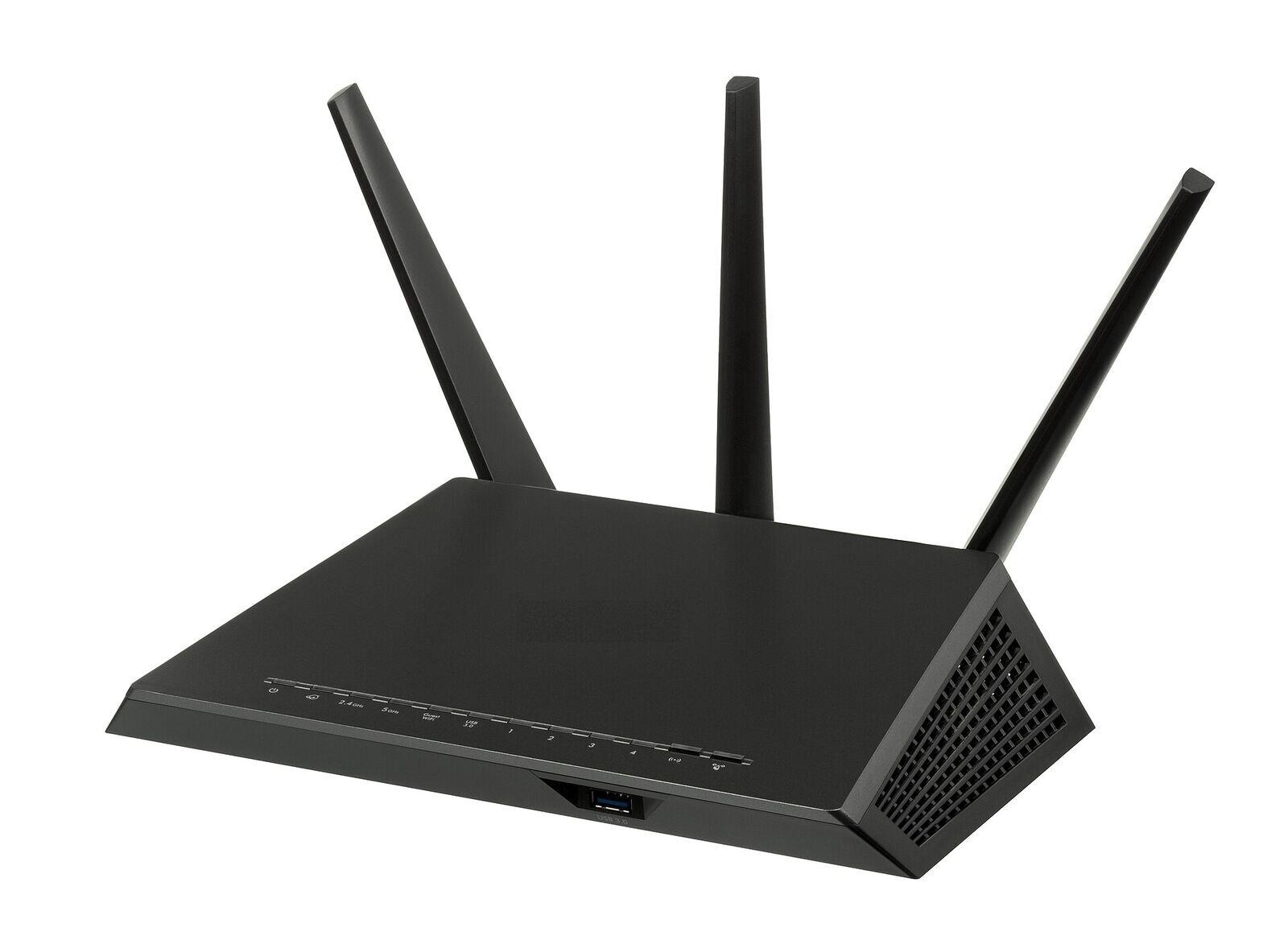
Your router has dozens of settings and six of them do most of the protecting: the admin password, updates, the encryption type, WPS, a guest network and remote administration. What each one does and what to set it to.
8 min read
Both sides
Australia set a minimum age of 16 for social media and Britain plans to follow. The best case for a minimum age, the best case against, how age checks work and what they cost in privacy, and what Australia's first numbers show. No side taken.
11 min read
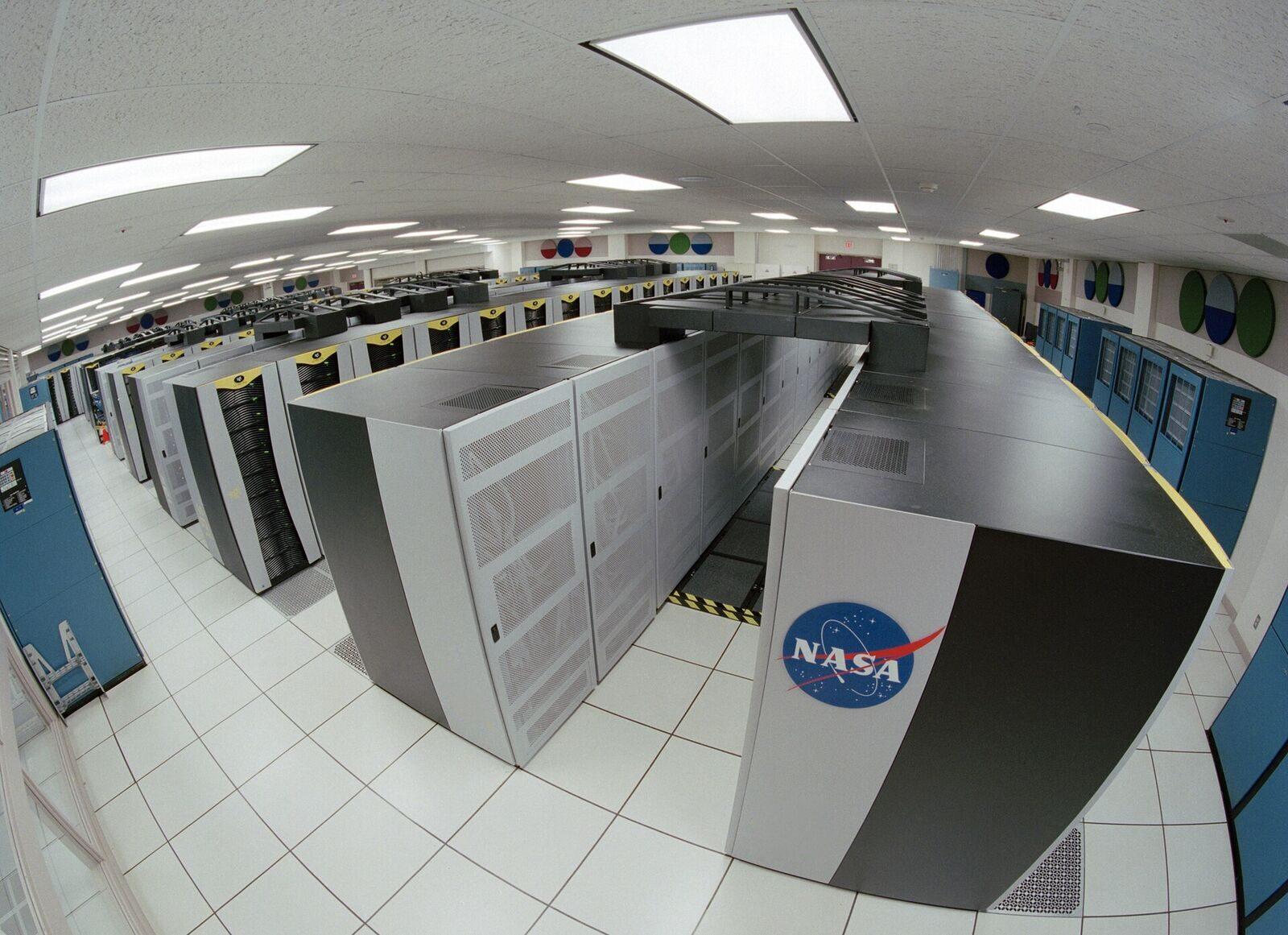
Linux runs phones, routers, game servers and the Steam Deck, yet it is hard to say what it is. What a kernel and a distribution are, where Linux came from, and three safe ways to try it tonight.
8 min read
Both sides
Some governments ban their own agencies from paying ransomware crews, and some want the ban to reach hospitals and private firms. The best case for a ban, the best case against, what the evidence shows, and what it cannot settle.
11 min read
Both sides
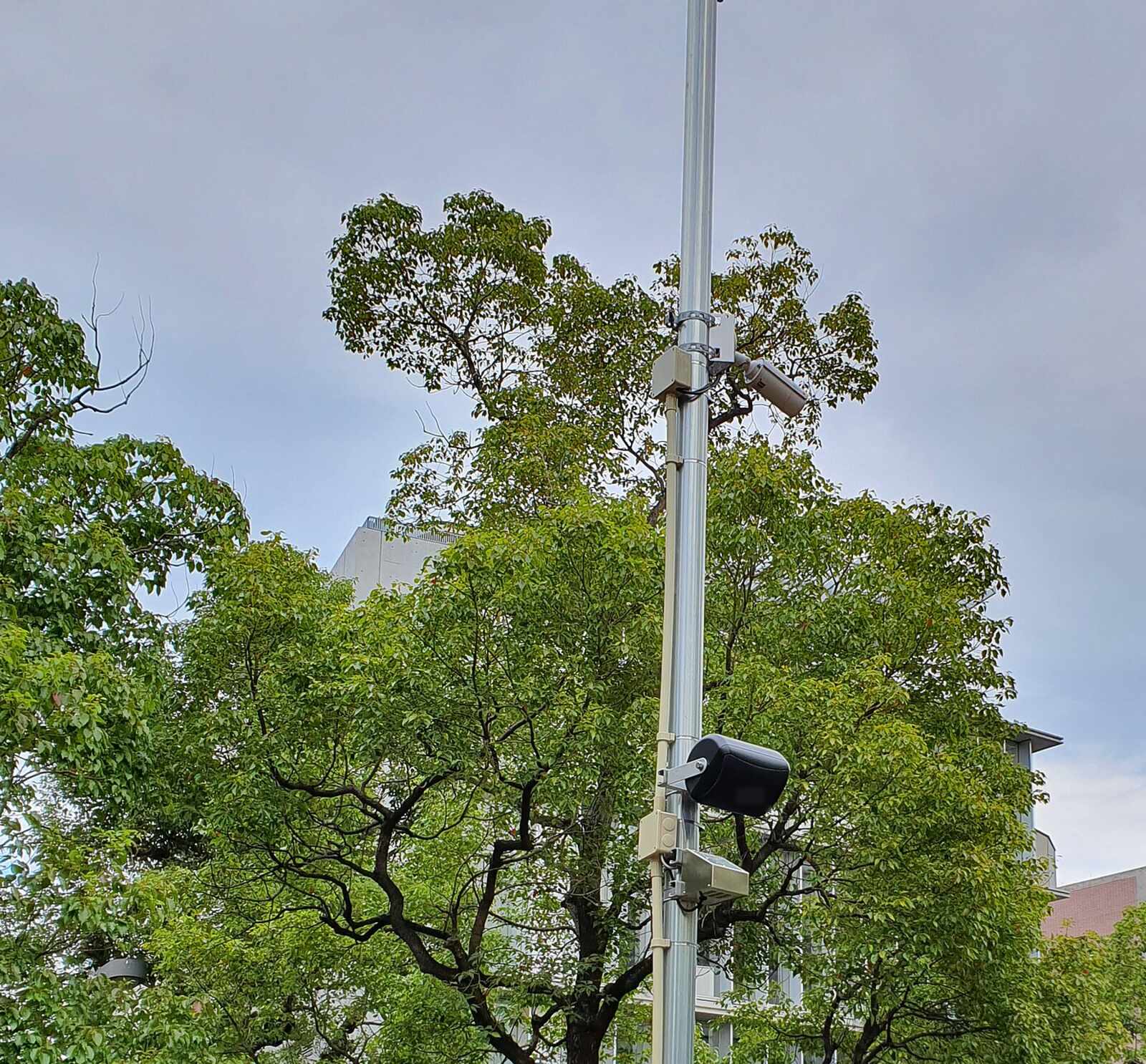
Cameras that read plates and software that matches faces are now everyday police tools. Here is how each works, the best case for using them, the best case for tight limits, what courts and studies say as of 12 November 2026, and what stays a judgment call.
11 min read
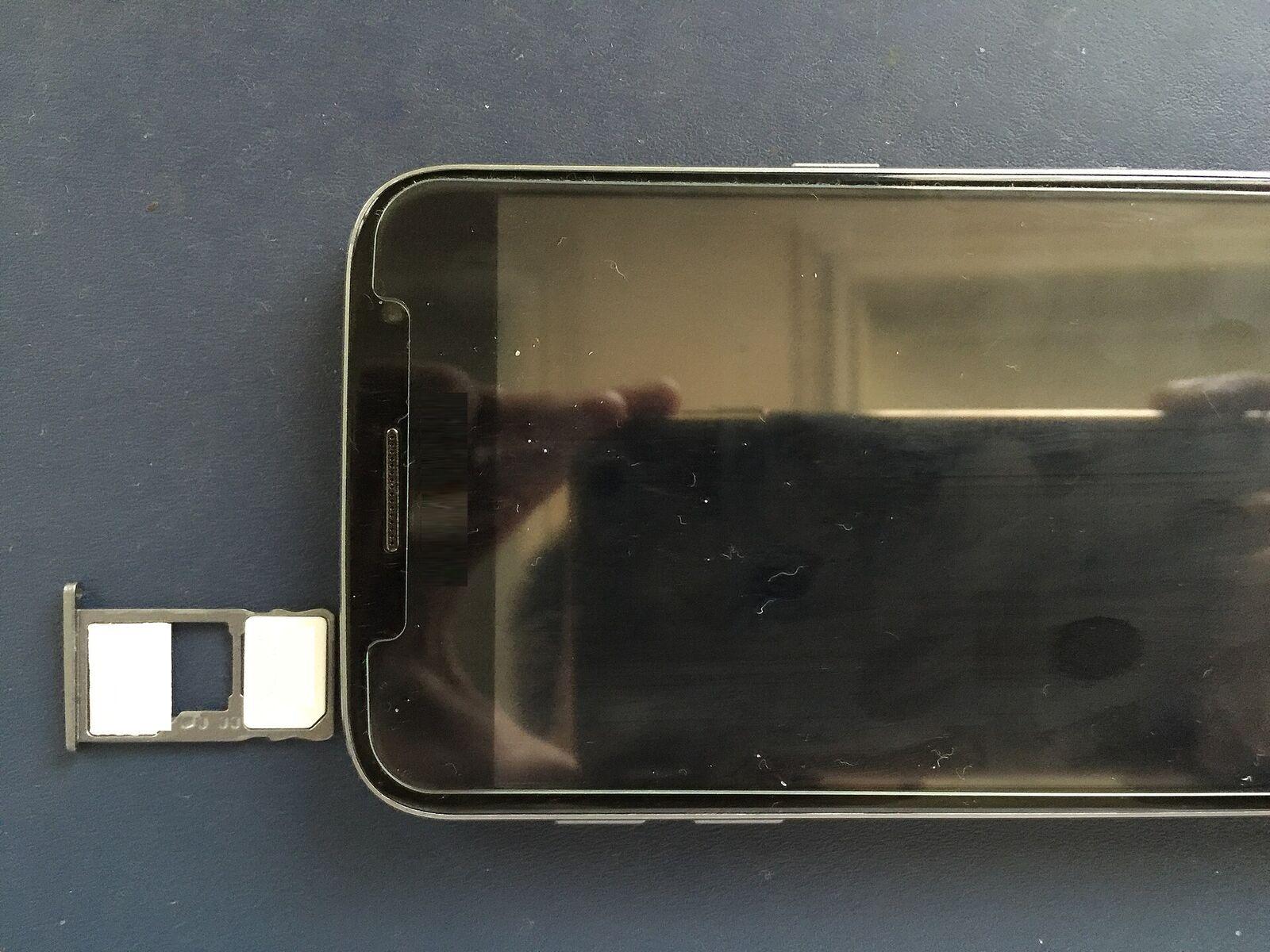
A thief who talks your carrier into moving your phone number starts receiving your login codes. What a SIM swap and a port-out are, how a carrier PIN and number lock stop them, and how to move your key accounts off text message codes.
8 min read

What critical infrastructure is, and the technologies now being added to it: smart meters, rooftop solar and inverters, grid batteries, digital substations, private 5G, digital twins, AI, drones and more. What each one does, the new risk it brings, and what a resident can ask.
10 min read
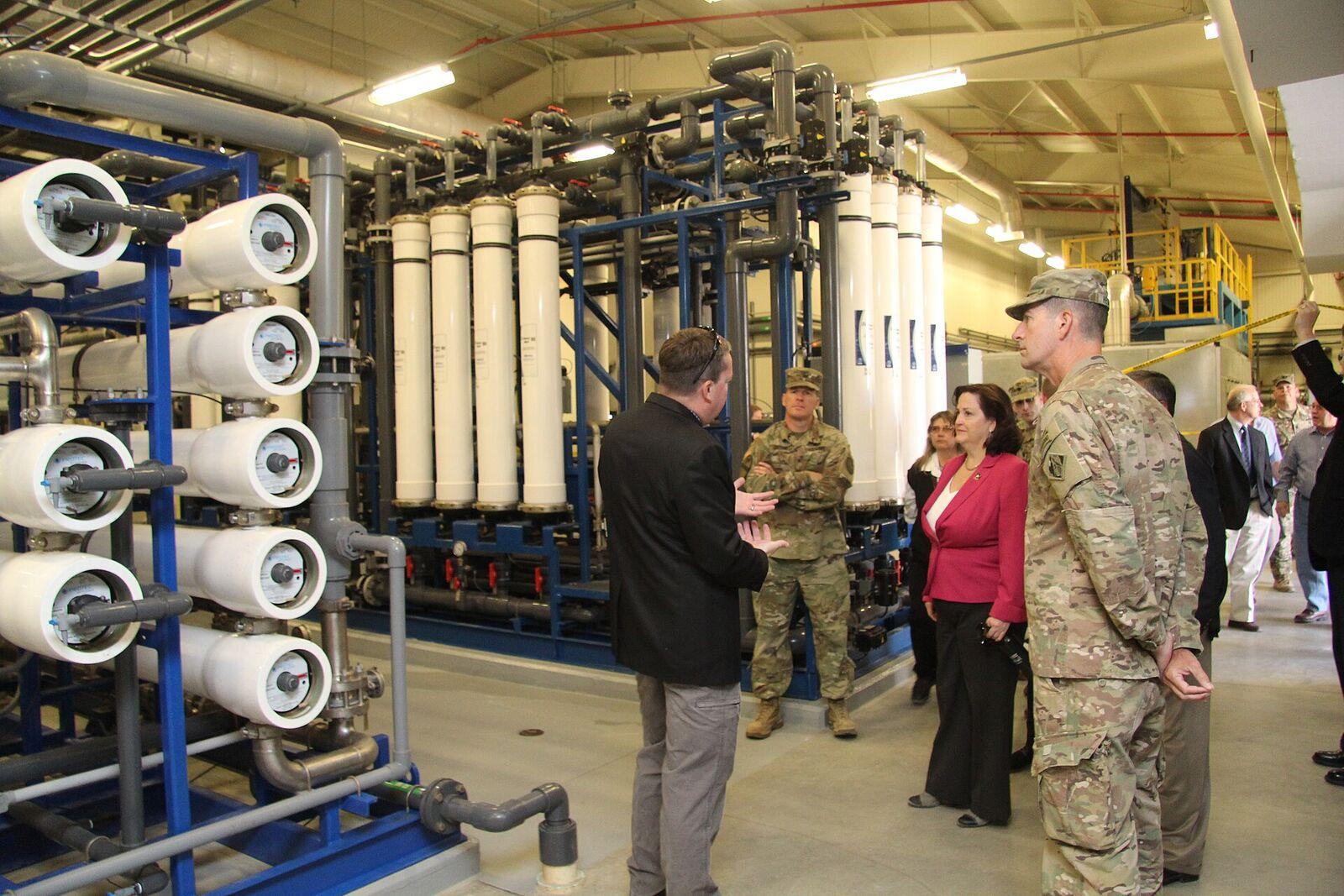
The computers that run water plants and power grids, in plain words: sensors, PLCs, the HMI screen and the control room, followed through one water plant. Why they are harder to secure than an office, what official reports say has happened, and what defense looks like.
11 min read
The latest from official public sources, in their own words. Each headline opens its source.
Source: Cybersecurity and Infrastructure Security Agency. US government work, public domain.
Source: CISA Known Exploited Vulnerabilities Catalog. CC0 1.0.
Source: FBI Internet Crime Complaint Center. US government work, public information.
Source: NCSC. Contains public sector information licensed under the Open Government Licence v3.0.
Shown as published by each agency, and possibly out of date. Listing them here does not mean any agency endorses or is affiliated with Warhawk Division.
"Your connection isn't private" and codes such as NET::ERR_CERT_DATE_INVALID mean your browser could not confirm a website's identity. Here is what each code points to, the safe things to check in order, and why you should not sign in or pay until the warning is gone.
7 min read
"Windows protected your PC" is a Microsoft Defender SmartScreen warning about a downloaded app that Windows does not recognize. It is not proof the app is harmful, but Microsoft treats an unknown app as a higher risk. Here is how to decide what to do next.
7 min read
A pop-up that says "Windows Defender Security Warning" and gives a phone number to call is a scam run from a web page. It did not come from Microsoft or from Windows. Do not call. Close the browser, and here is what to do if you already called or paid.
7 min read
"Enter the recovery key for this drive" means BitLocker could not unlock your encrypted drive by itself and wants a 48-digit key. Here is why the screen appears, the places Microsoft says the key may be kept, and what a reset costs you if it cannot be found.
7 min read
Deleting a file removes its name, not its contents. Here is why, how encryption turns a factory reset into a real erase, the reset steps Apple, Google and Microsoft publish, why solid-state drives need different handling, and what NIST means by clear, purge and destroy.
11 min read
Which schemes take the most money from people over 60, by the FBI's and the FTC's own counts, and three tools that put a second set of eyes on the accounts: alerts, a trusted contact and a power of attorney. Plus how to raise the subject and where to report.
11 min read
Seven settings do most of the work of securing a home computer: updates, a standard account, disk encryption, the firewall and malware protection, a screen lock, an extension review and backups. Here is where Microsoft and Apple say each one lives, and what it protects.
12 min read
Facts only
Fake tracking texts, packages you never ordered, lookalike stores and gift card demands, as the FTC, the Postal Inspection Service, CISA and the FBI's complaint center describe them, with the official steps to take if you already clicked or paid. Facts only, as of 15 November 2026.
10 min read
A data broker sells information about you that you never gave it. Here is what the FTC and the state registries say brokers hold, how California's free deletion platform works as of November 2026, how to opt out by hand anywhere, and what removal does not fix.
12 min read
A cyber policy has two halves: your own costs after an incident, and claims other people bring against you. What regulators and federal agencies say each half typically covers, what is commonly excluded, what applications ask about, and the NAIC's 2025 numbers. A description, not buying advice.
10 min read
What a credit freeze blocks and what it lets through, how it differs from a fraud alert and a paid lock, how to place one at Equifax, Experian and TransUnion, how to freeze a child's file, what the IRS Identity Protection PIN adds, and the FTC's recovery steps if your identity is used.
12 min read
Facts only
On 12 November 2026 the FTC warned that scammers copy its own website. Real FTC sites end in .gov. Separately, the agency is asking the public, until 30 November, whether online platforms should have to screen ads that impersonate businesses and government. Facts only, from the FTC's pages.
10 min read
Facts only
On 2 November 2026 NIST published a free, plain-language cybersecurity guide for businesses with no employees other than the owner. Here is who it is for, the actions it lists first, how it is laid out, and what it says it does not cover.
8 min read
Facts only
OpenSSH shipped an urgent release on 5 November 2026 for a password login bypass on some Linux systems, and CISA lists it as exploited. Here is what the project, Alpine Linux and the CVE record say, who is affected, and what they tell you to do.
8 min read
Microsoft fixed an Outlook flaw on 10 November 2026 and says it was exploited before the fix. Open the wrong file and Outlook can quietly hand over a piece of your login. Here is what the advisory says, what it does not say, and what to do.
6 min read
WordPress 7.1.4, released on 28 October 2026, fixed a flaw that could let an attacker run code on a server in the short window while WordPress upgrades itself. On 3 November CISA said it is being exploited. Here is how it works, which versions are fixed, and what site owners should do.
5 min read
Your router has dozens of settings and six of them do most of the protecting: the admin password, updates, the encryption type, WPS, a guest network and remote administration. What each one does and what to set it to.
8 min read
Both sides
Australia set a minimum age of 16 for social media and Britain plans to follow. The best case for a minimum age, the best case against, how age checks work and what they cost in privacy, and what Australia's first numbers show. No side taken.
11 min read
Linux runs phones, routers, game servers and the Steam Deck, yet it is hard to say what it is. What a kernel and a distribution are, where Linux came from, and three safe ways to try it tonight.
8 min read
Both sides
Some governments ban their own agencies from paying ransomware crews, and some want the ban to reach hospitals and private firms. The best case for a ban, the best case against, what the evidence shows, and what it cannot settle.
11 min read
Both sides
Cameras that read plates and software that matches faces are now everyday police tools. Here is how each works, the best case for using them, the best case for tight limits, what courts and studies say as of 12 November 2026, and what stays a judgment call.
11 min read
A thief who talks your carrier into moving your phone number starts receiving your login codes. What a SIM swap and a port-out are, how a carrier PIN and number lock stop them, and how to move your key accounts off text message codes.
8 min read
What critical infrastructure is, and the technologies now being added to it: smart meters, rooftop solar and inverters, grid batteries, digital substations, private 5G, digital twins, AI, drones and more. What each one does, the new risk it brings, and what a resident can ask.
10 min read
The computers that run water plants and power grids, in plain words: sensors, PLCs, the HMI screen and the control room, followed through one water plant. Why they are harder to secure than an office, what official reports say has happened, and what defense looks like.
11 min read
Three copies, two kinds of media, one off site. Why sync is not backup, how full and incremental backups differ, how to survive ransomware, how to test a restore, and a plan you can set up this weekend.
8 min read

Email was built with no way to check who sent it. How a message travels, why the From line can be forged, what SPF, DKIM and DMARC each check, and how to read the results on a message in your own inbox.
8 min read
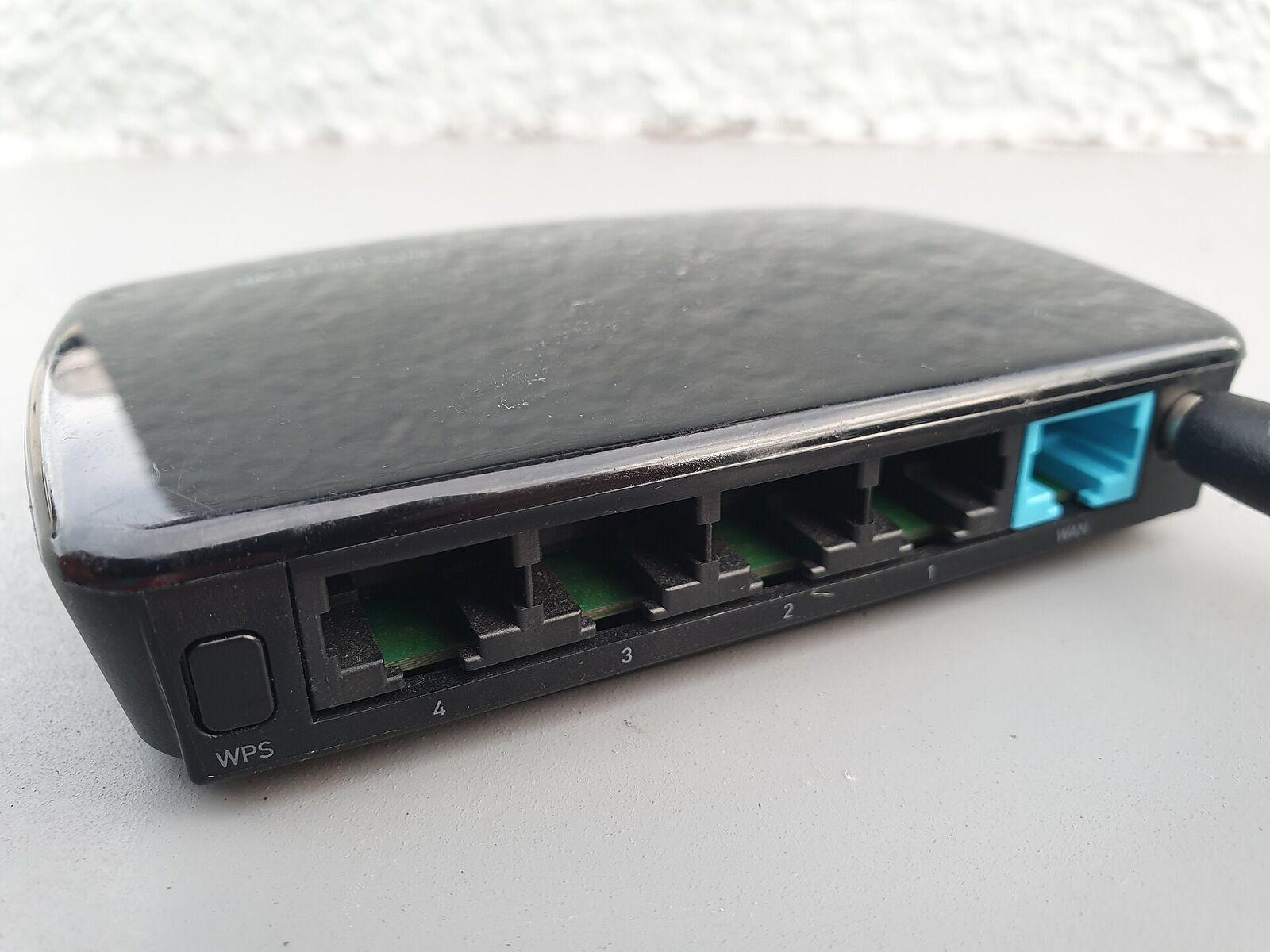
What an IP address, a subnet mask, a MAC address and a port really are, what your home router does all day, and how to read your own network settings on Windows, macOS and Linux.
9 min read
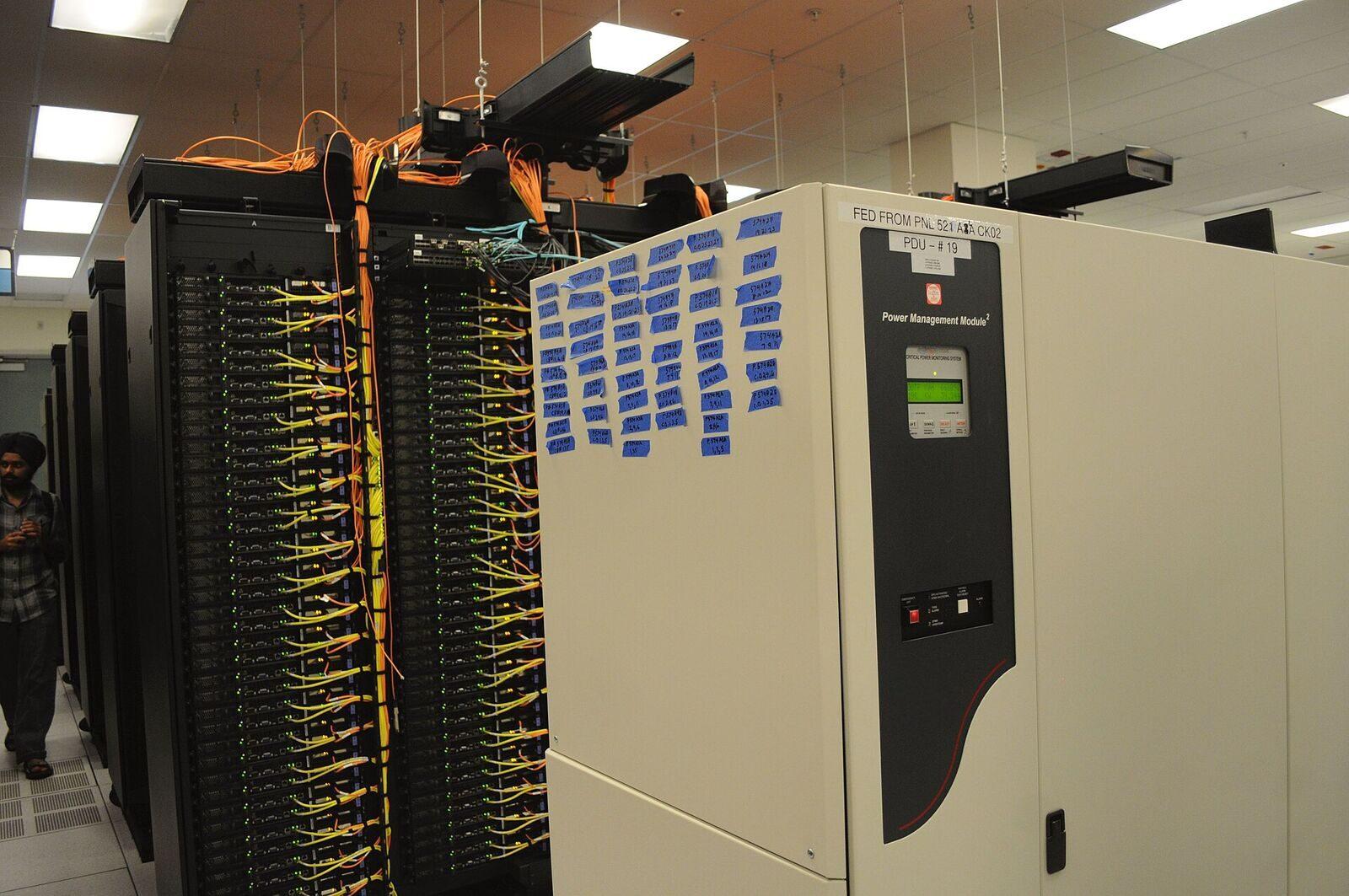
Two ways to run many systems on one computer. What a hypervisor does, what a container shares with its host, how images differ from containers, when to pick which, and why a container is the weaker wall.
8 min read

Where things live on a Linux system, who owns them, and how to read and set permissions. What rwxr-xr-- and 755 mean, with the arithmetic shown, and why chmod 777 is the wrong fix.
8 min read

The padlock says your connection is private and that the server holds a certificate for that name. It does not say the site is honest. How TLS, certificates and the chain of trust work, and when a warning means stop.
8 min read

A voice on the phone no longer proves who is calling. What can be faked today, how the emergency call scam works on good people, and two habits that beat it: a family code word and the call back rule.
8 min read

For parents. The family controls already built into phones and consoles, what game ratings do and do not cover, how to talk about chat and photos, and exactly where to report if something goes wrong.
8 min read
A security advisory has the same few parts every time: a CVE number, a score, affected and fixed versions, and what to do. Learn to read each one, using PHP's October 2026 PHP2Shell advisory as the example.
9 min read
How to use Nmap on a network you own: find every device, see which ports answer, read the output line by line, and decide what to do about a device or service you did not expect.
8 min read
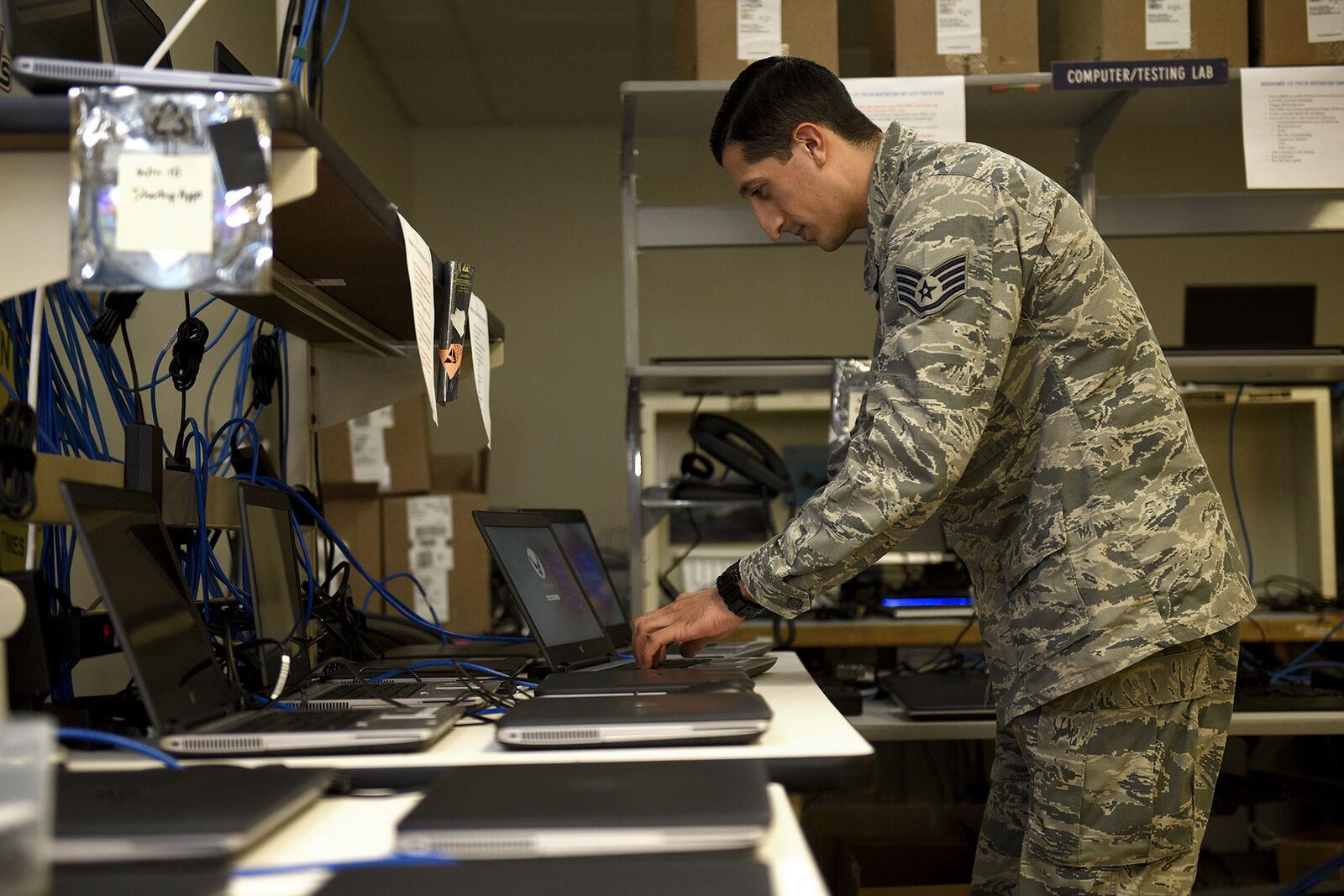
For a household or a small office: how ransomware gets in, what it does, what to do in the first hour, what the FBI and CISA say about paying, and why one unplugged backup decides how it ends.
8 min read
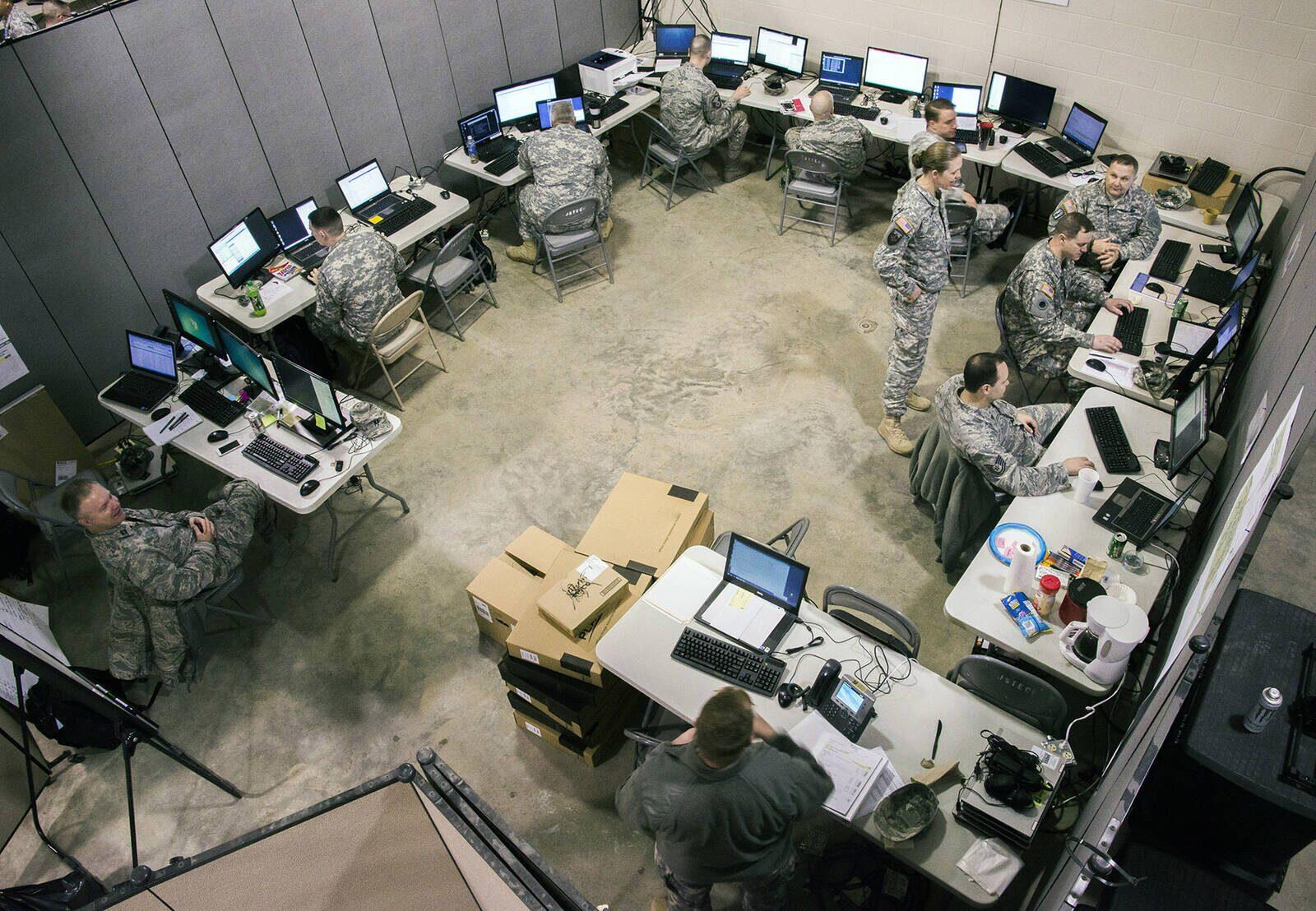
Kali is a Linux distribution built for security testing, not a magic hacking machine. Where it came from, what its tools are for, who should and should not run it, where the legal line sits, and honest ways to learn.
8 min read
What a breach notice means, what to change first, how one leaked password opens other accounts, how a credit freeze differs from a fraud alert, and why the next message about the breach may be a fake.
7 min read
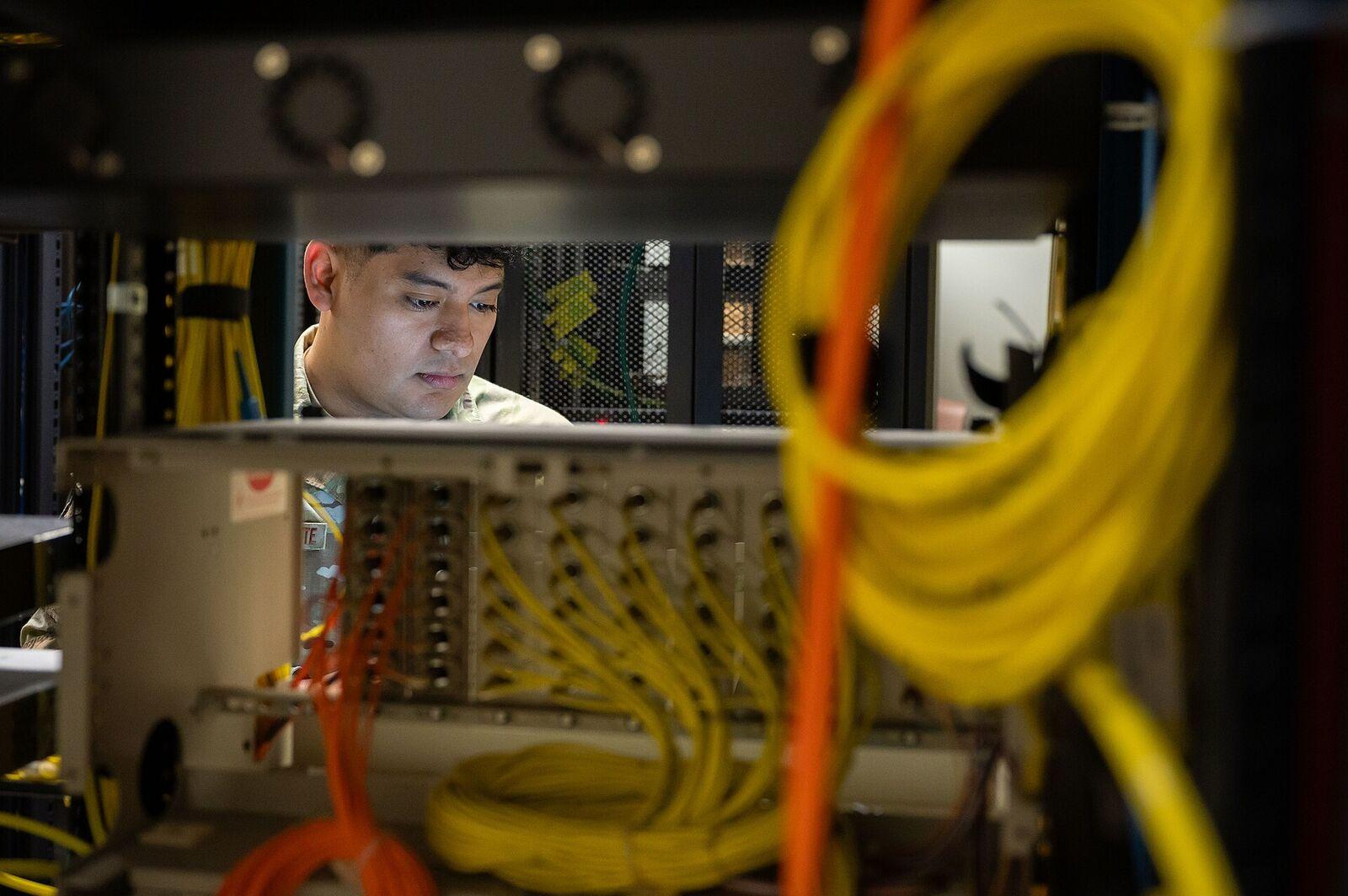
How Linux installs and updates software from signed repositories, with apt and dnf side by side. What signing gives you, when a reboot is needed, why end-of-life releases are dangerous, and a monthly patch routine.
9 min read

Text you give a chat assistant leaves your computer and may be kept. What never to paste in, what needs care, three safer habits, and why the answer still needs checking, with guidance from CISA and NIST.
7 min read
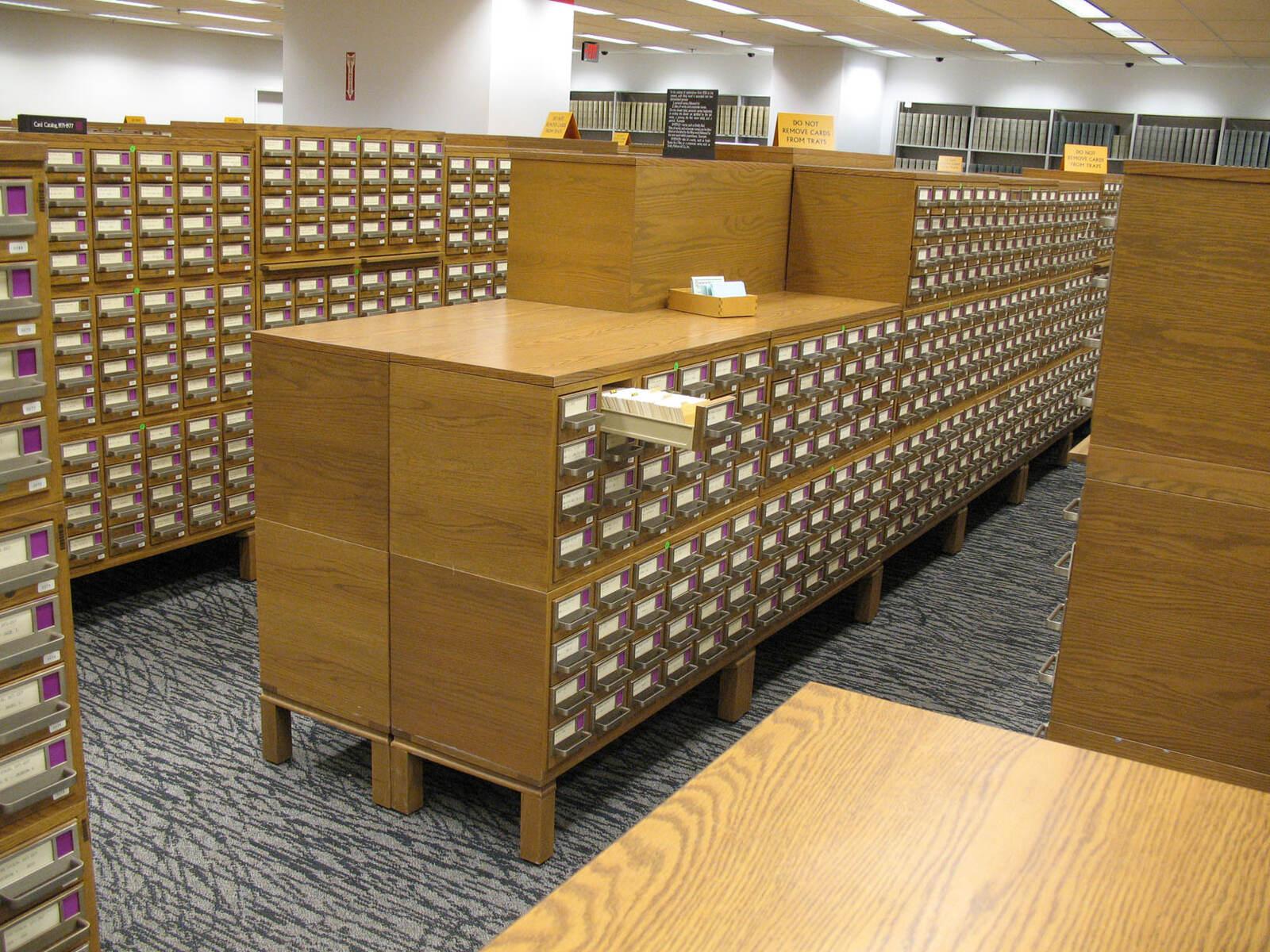
Two of the oldest web attacks are one mistake: text from a stranger gets run as instructions. See the classroom SQL example beside its fix, how stored and reflected XSS differ, where both sit in the OWASP Top 10, and how to practice legally.
9 min read
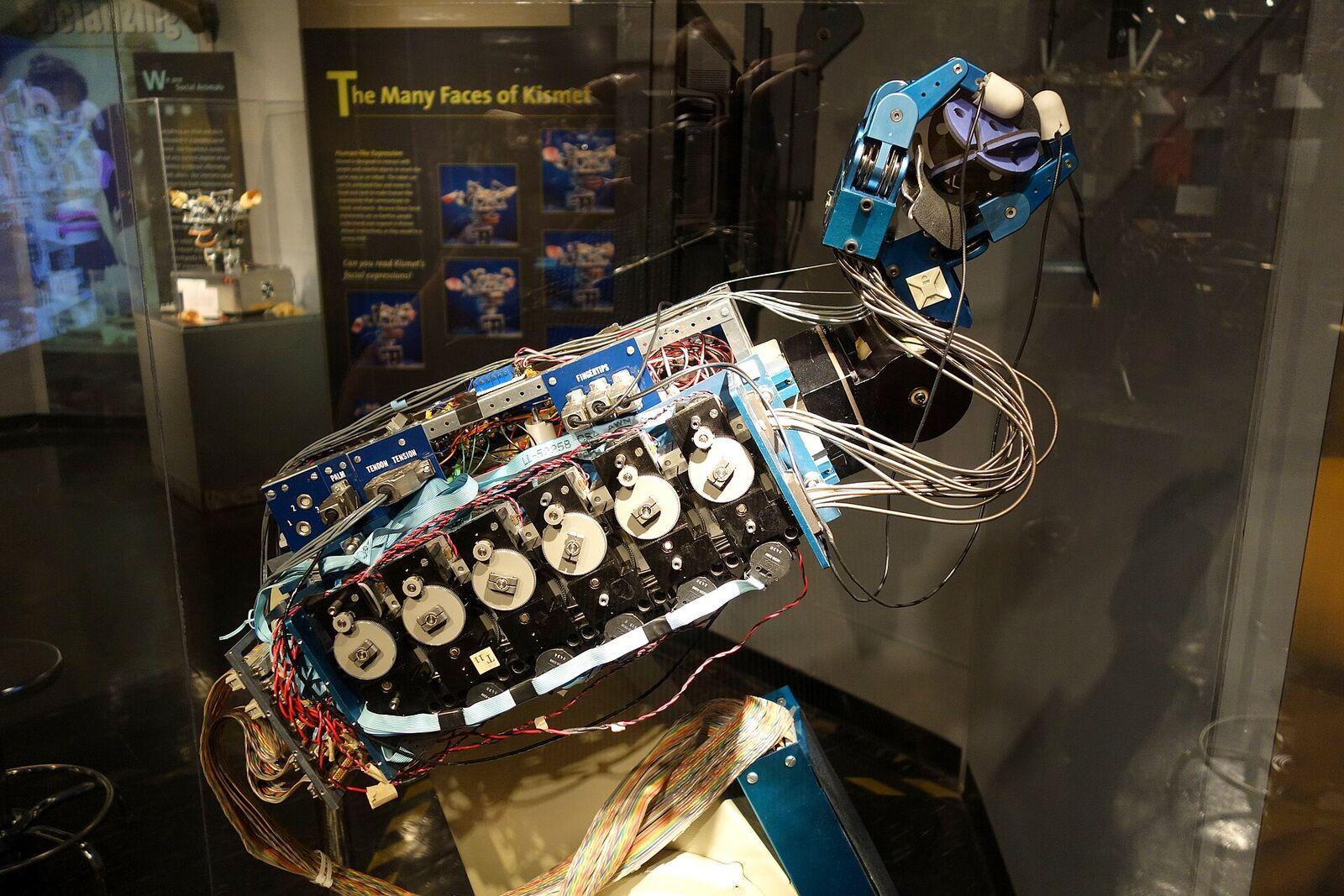
Prompt injection hides instructions in content an AI assistant reads, hoping the assistant will follow them. What it is, why it has no clean fix yet, what is at risk once an assistant can use email, files or a browser, and how to limit the damage.
9 min read

A log is your machine's diary, and most people never open it. Where Linux and Windows keep theirs, how to read a failed login field by field, why the clock matters, and what is worth keeping.
9 min read

Seven settings that decide what a thief, a snoop or a bad app can get from your phone, on iPhone and Android, with the minutes each one takes: screen lock, updates, find my device, backup, permissions, previews and apps.
8 min read
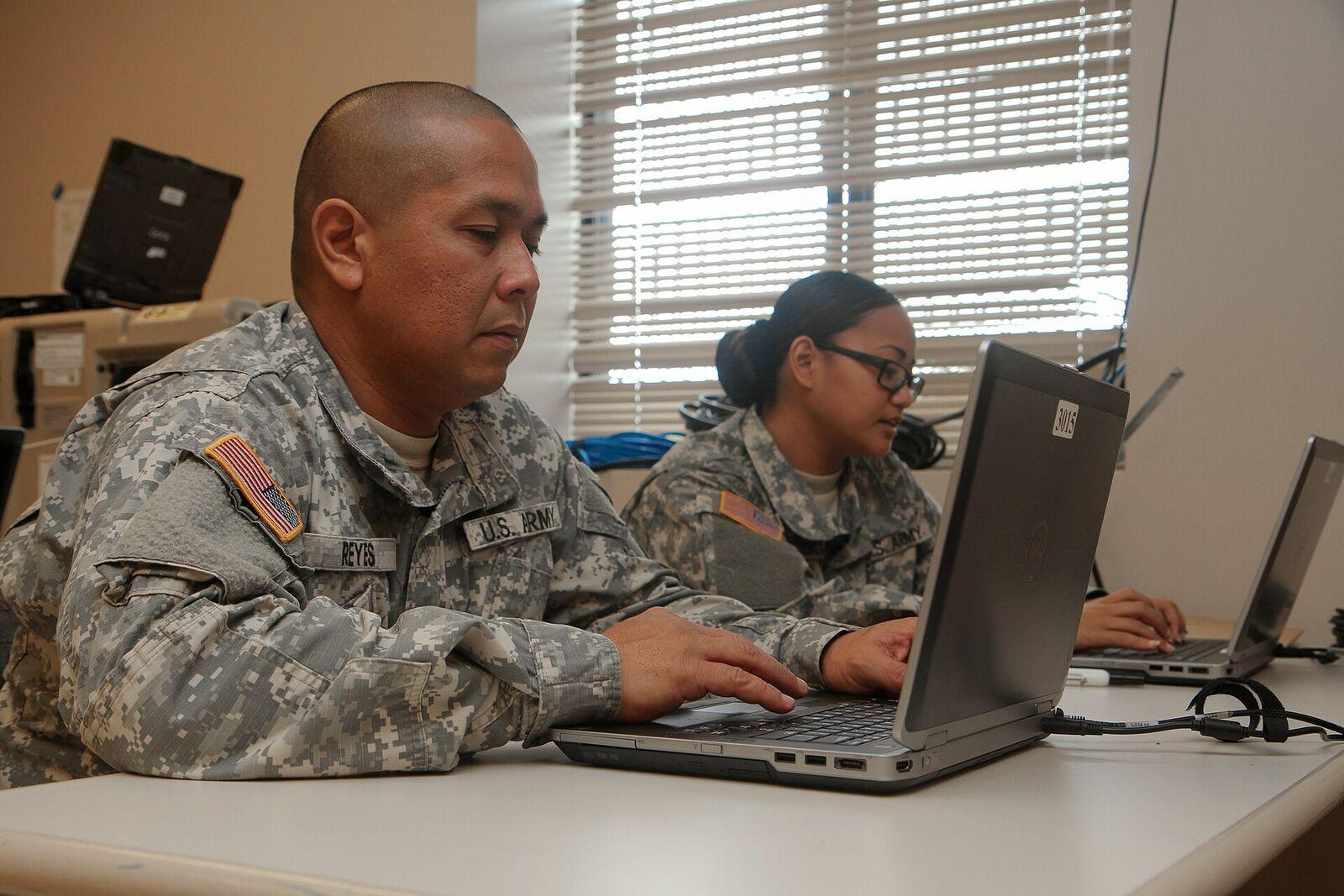
Four places to look in any email: the sender, the link, the hurry and the attachment. How to see where a link goes without opening it, what to do if you already clicked, and where to report it.
8 min read
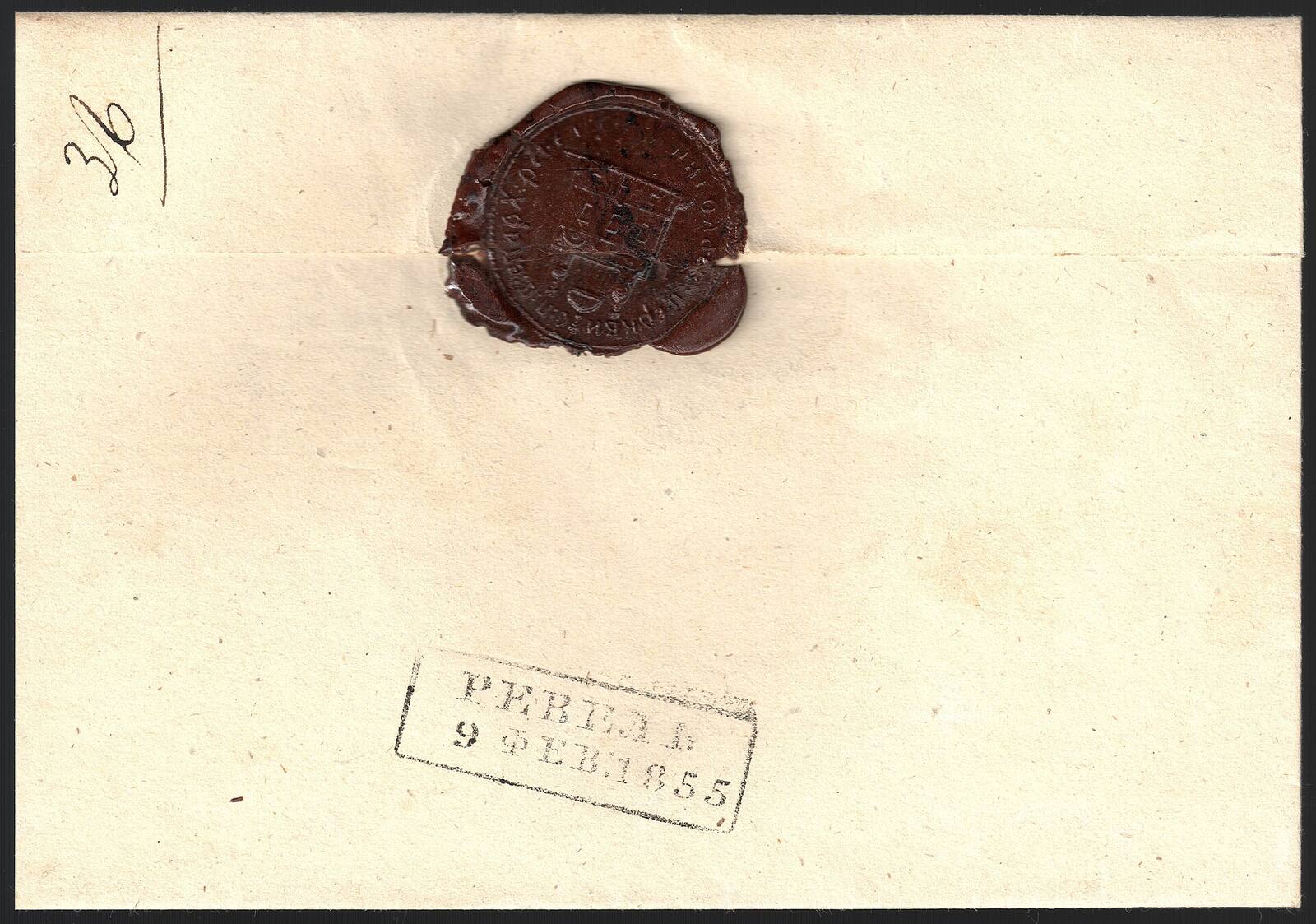
Galois/Counter Mode (GCM) hides data and seals it against changes in one pass, which is why it protects most web traffic. How the counter and the tag work in plain words, why a nonce must never repeat, how long a tag should be, and what NIST is revising.
10 min read

Three stories scammers tell by text and by phone, why the number on your screen proves nothing, and the one rule that stops nearly all of them: hang up and call back on a number you found yourself.
8 min read
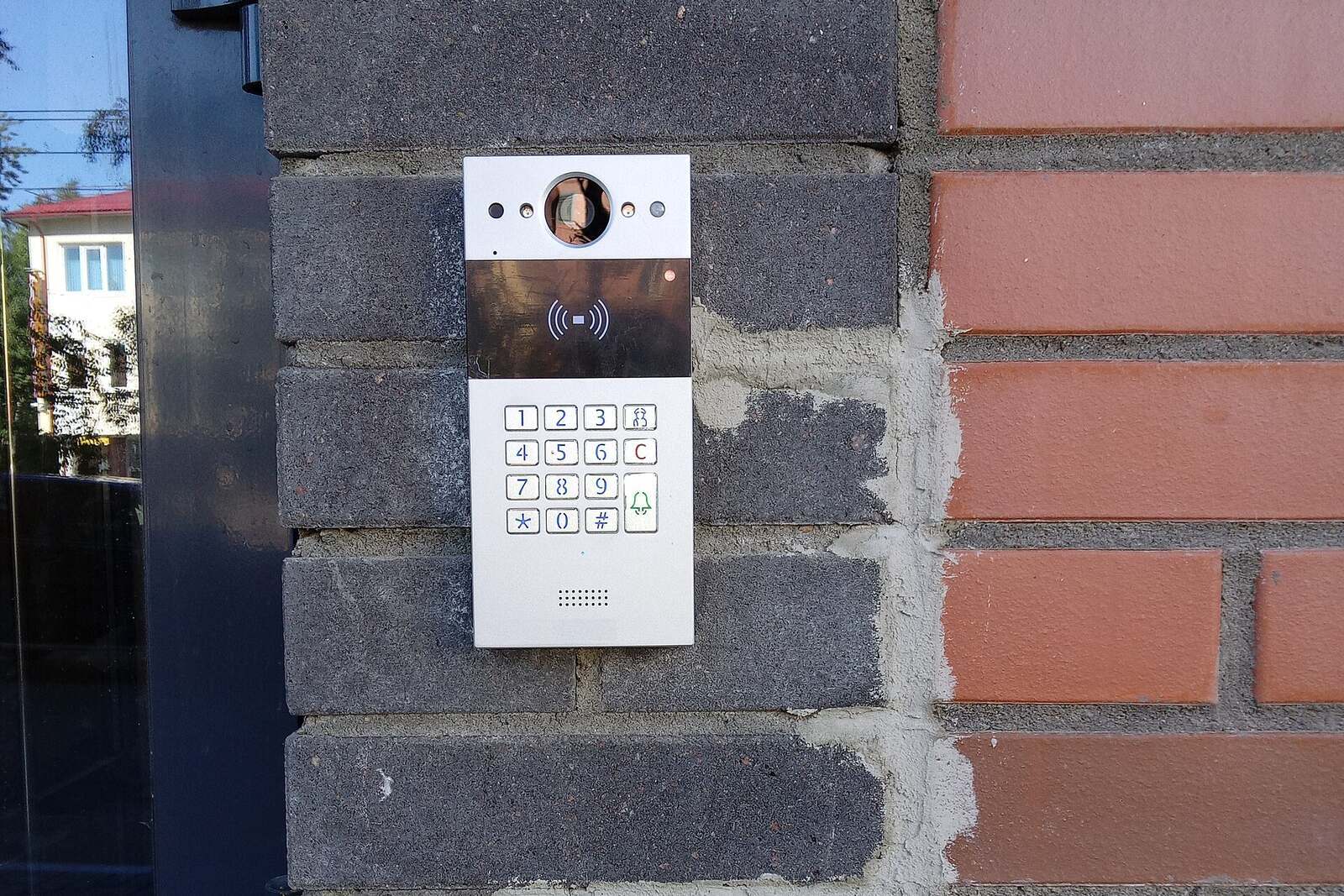
A doorbell camera sends its video to a company's computers before it reaches your phone. What these devices send and to whom, the settings to change on day one, and what to check on the box before you buy.
7 min read

Every web address you type has to be turned into a number first. How one DNS lookup travels, what the records mean, how to check one yourself with nslookup and dig, and what your resolver can see.
8 min read
What remote code execution means, what a web shell is and why attackers leave one behind, and the defenses that stop a takeover at each stage, with checks you can run on your own server tonight.
8 min read
An API is how one program asks another for something, and an API key is the secret that says who is asking. Make a harmless request yourself, see how keys end up in public code, and learn the habits that keep yours private.
9 min read

A VPN is an encrypted tunnel to another network. It changes who can see your traffic, it does not make you anonymous, and it does nothing about malware or phishing. When one helps and how to pick one.
8 min read
In October 2026 two flaws in PHP itself put a large share of the web at risk. What PHP is, what the flaws do, the timeline, who is exposed, and what to do if you run a site or pay someone who does.
9 min read

A plain map of the encryption in use in late 2026: TLS 1.3 on the web, AES and ChaCha20, elliptic curves, storage encryption on phones and laptops, end to end messaging, and what a label like "256 bit" does and does not tell you.
10 min read
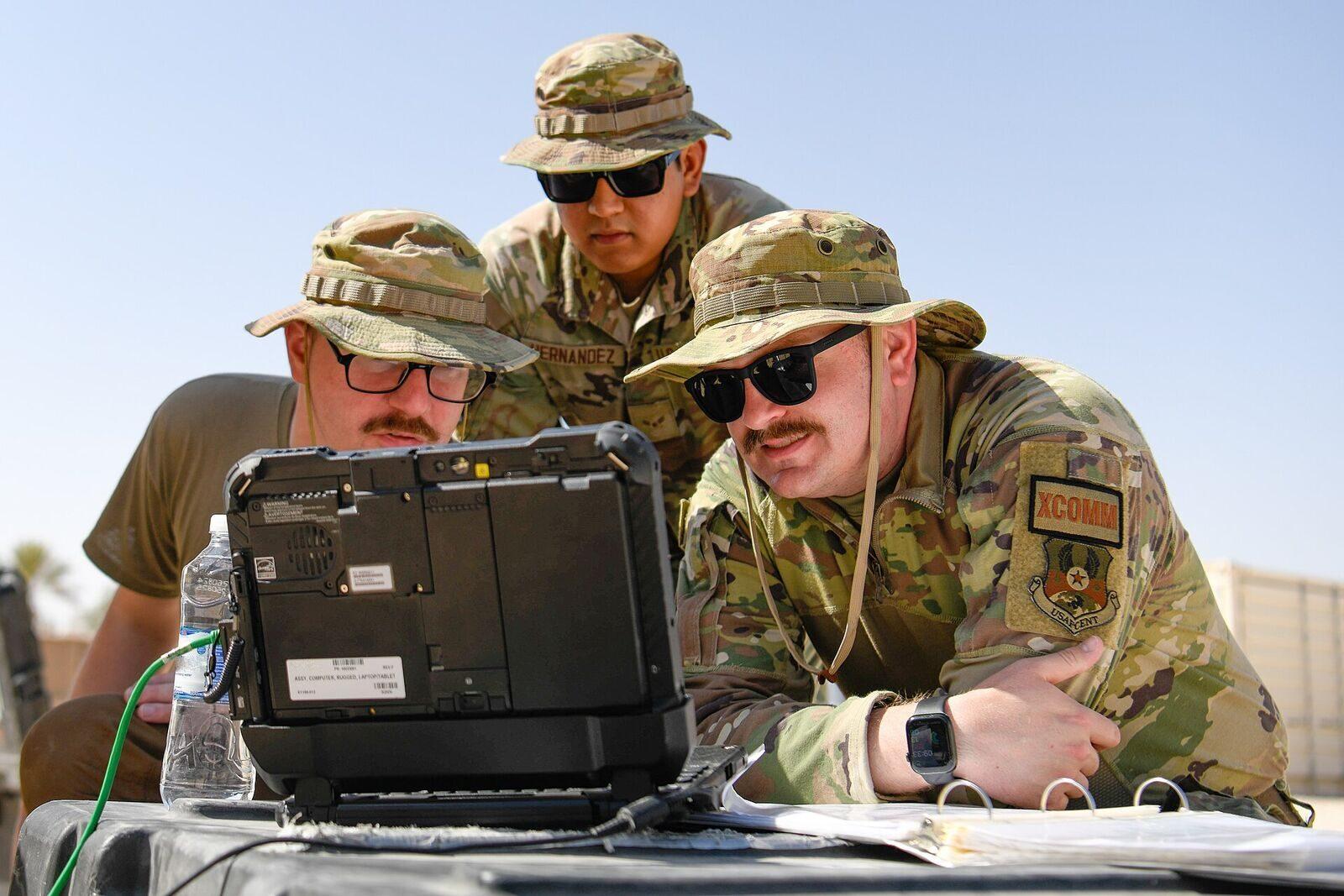
What a packet is, how to capture your own traffic with Wireshark, how to filter it down to one DNS lookup and one TCP handshake, and what encryption hides from anyone watching the wire.
9 min read
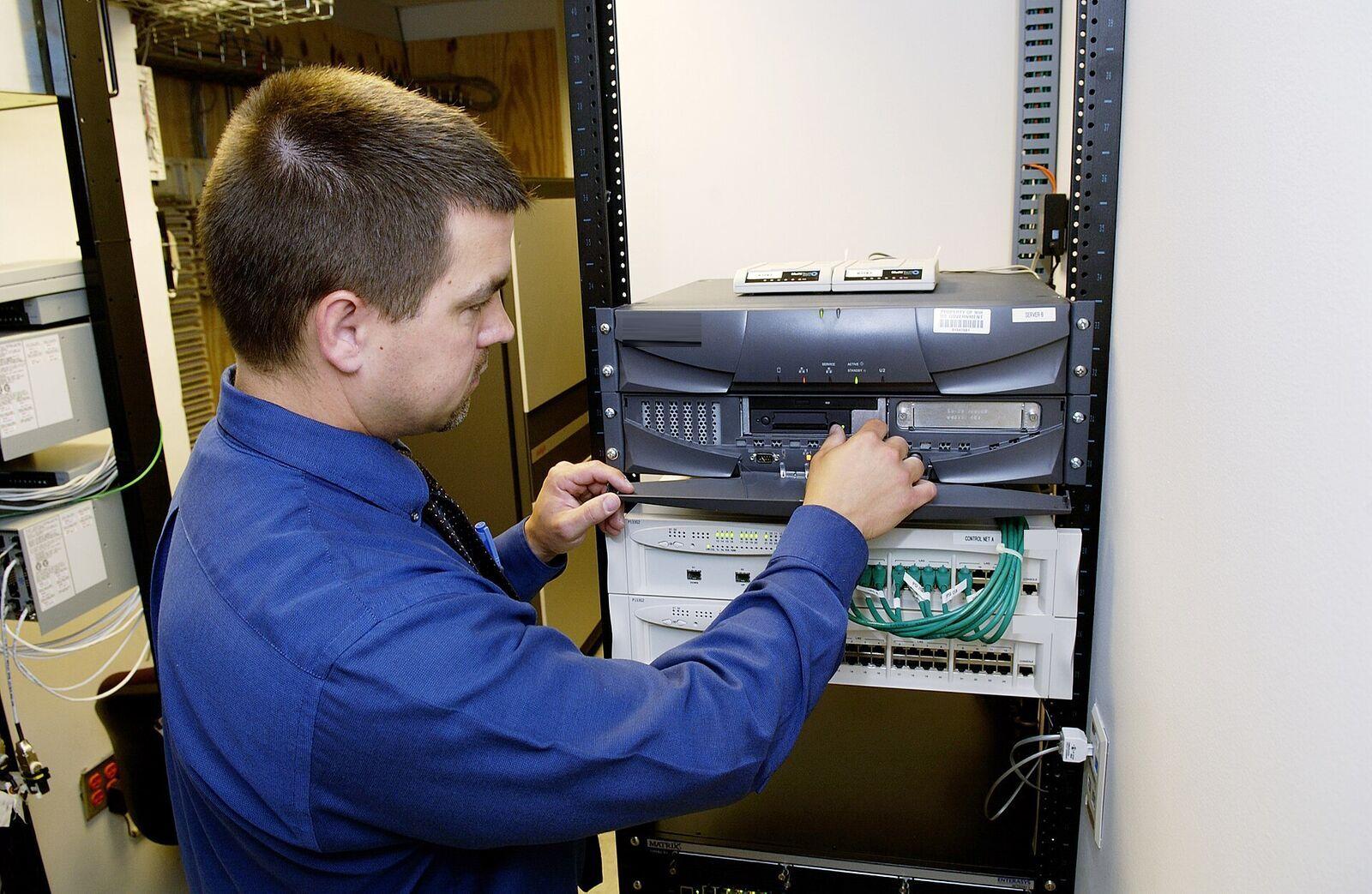
In the cloud the provider secures some layers and you secure the rest. Where Amazon, Microsoft and Google each draw that line, the three parts that are always yours, and the mistakes customers keep making.
8 min read
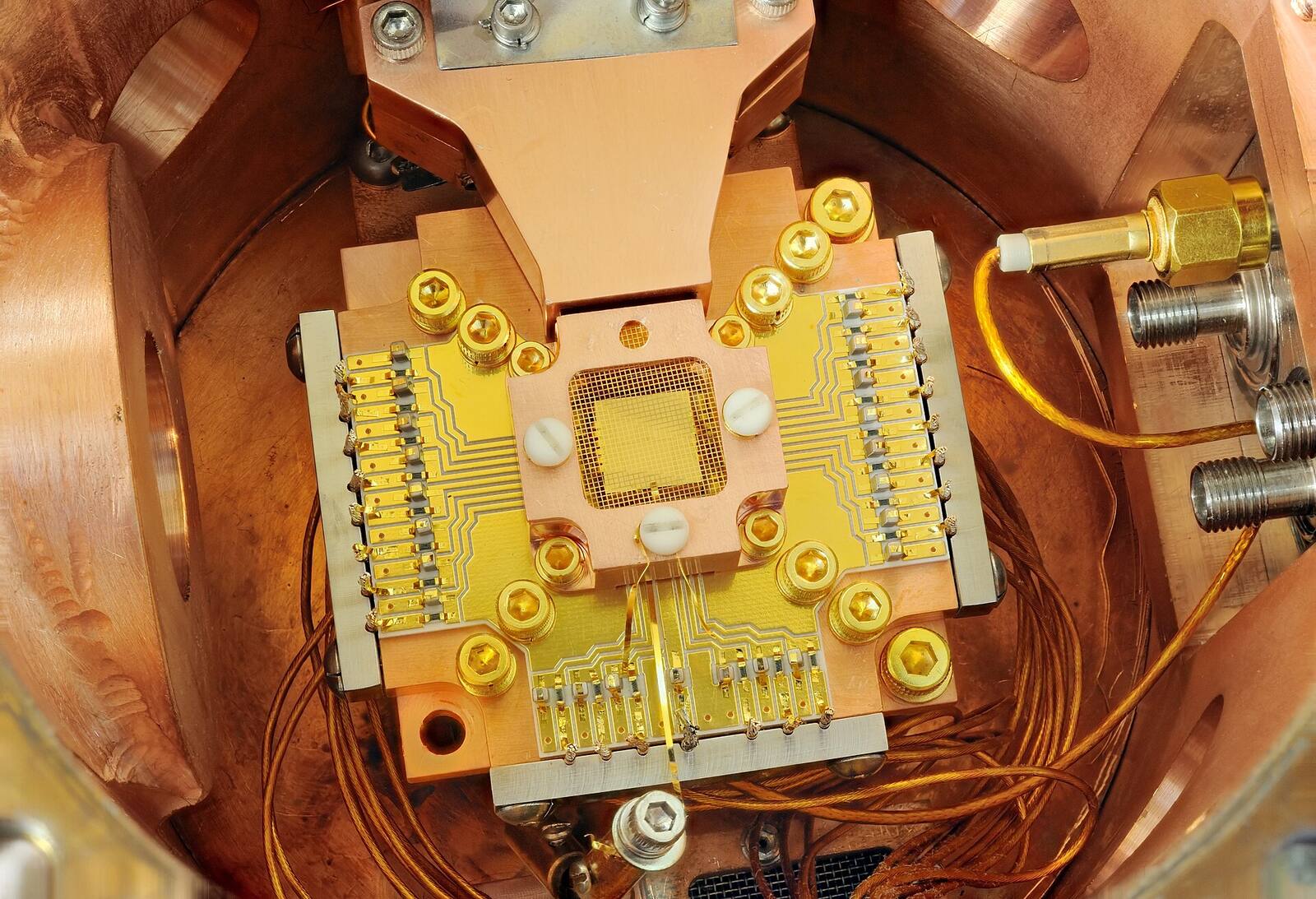
What a qubit is, which parts of today's encryption a large quantum computer would break and which it would not, why "harvest now, decrypt later" makes it a present-day problem, the NIST standards and deadlines as of November 2026, and what a family and a company should do.
10 min read
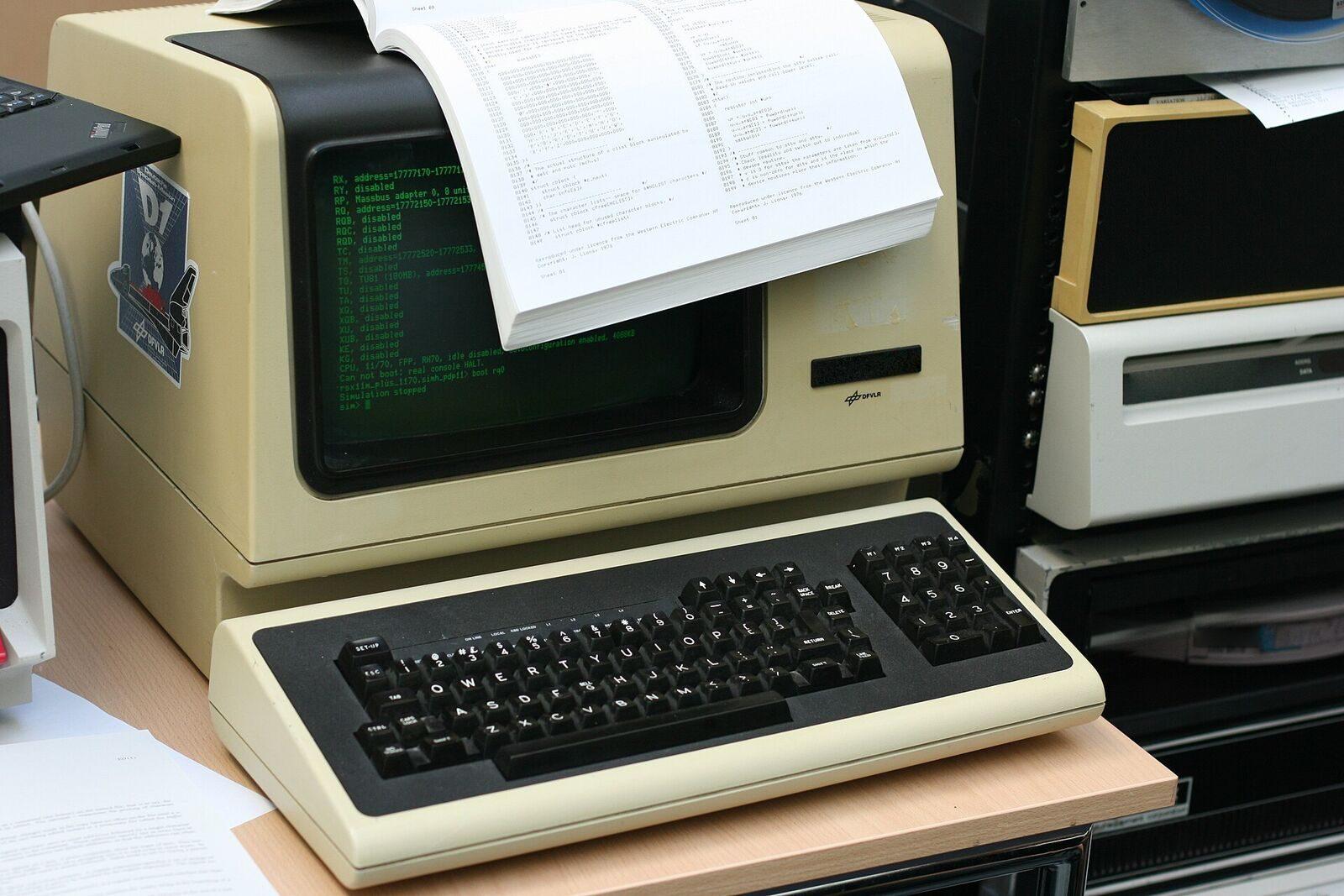
About 25 commands cover most of what you will ever do in a Linux terminal. How to read a prompt, how a command is built, what each command does, and a first session to type along with.
8 min read

The cloud is other people's computers, rented by the hour. What NIST's definition says, how IaaS, PaaS and SaaS differ, where the machines sit, and what you gain and give up by renting.
8 min read
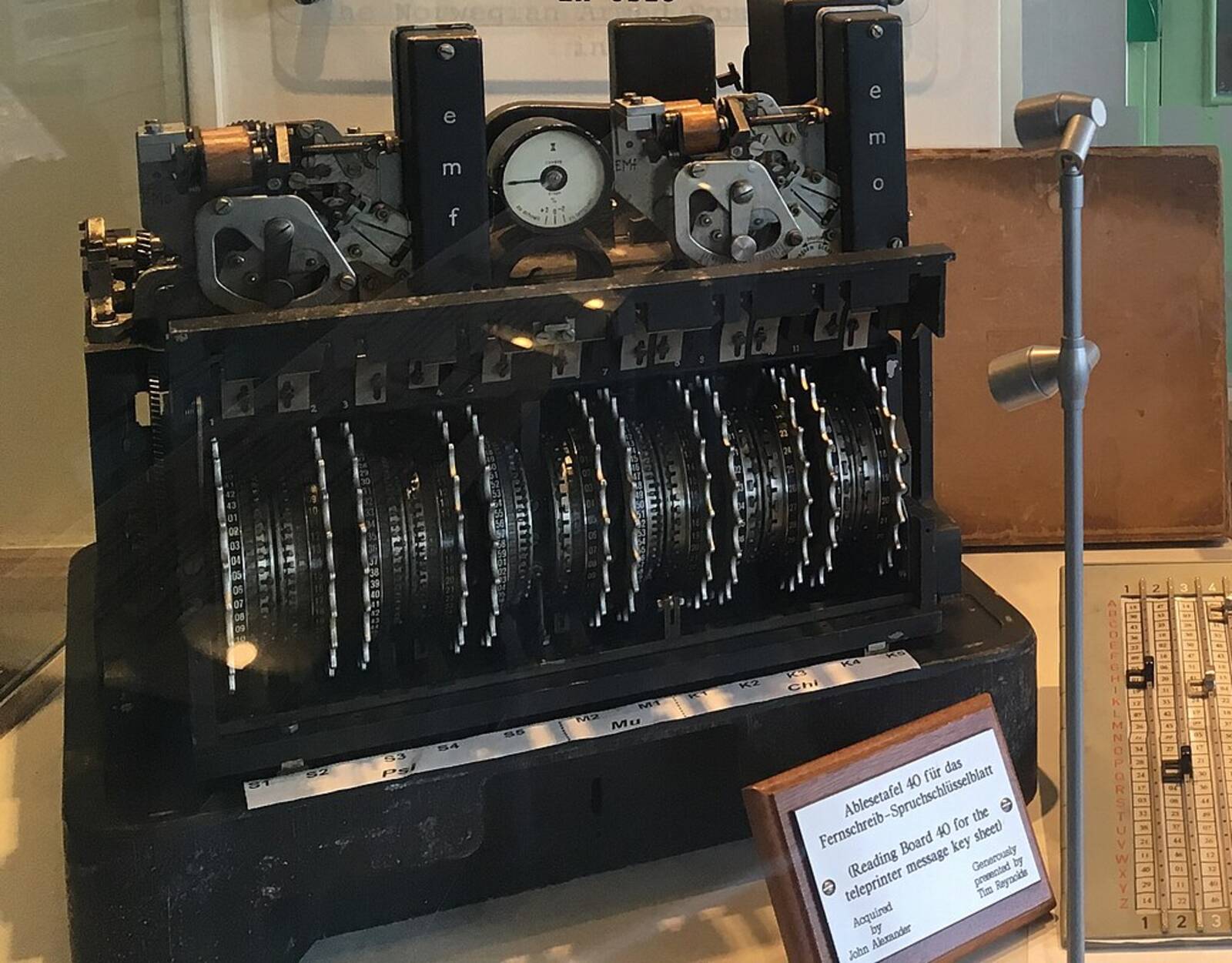
A block cipher scrambles data in fixed chunks. A stream cipher makes a run of random-looking bits and mixes it in. What a block is, why the mode of operation matters more than the cipher, how ECB leaks patterns, and where AES and ChaCha20 each do their work.
10 min read

Git keeps every version of a project, and GitHub puts that history online. What repository, commit, branch, merge and pull request mean, how to read a project page, why security people care, and five safe commands to try.
9 min read
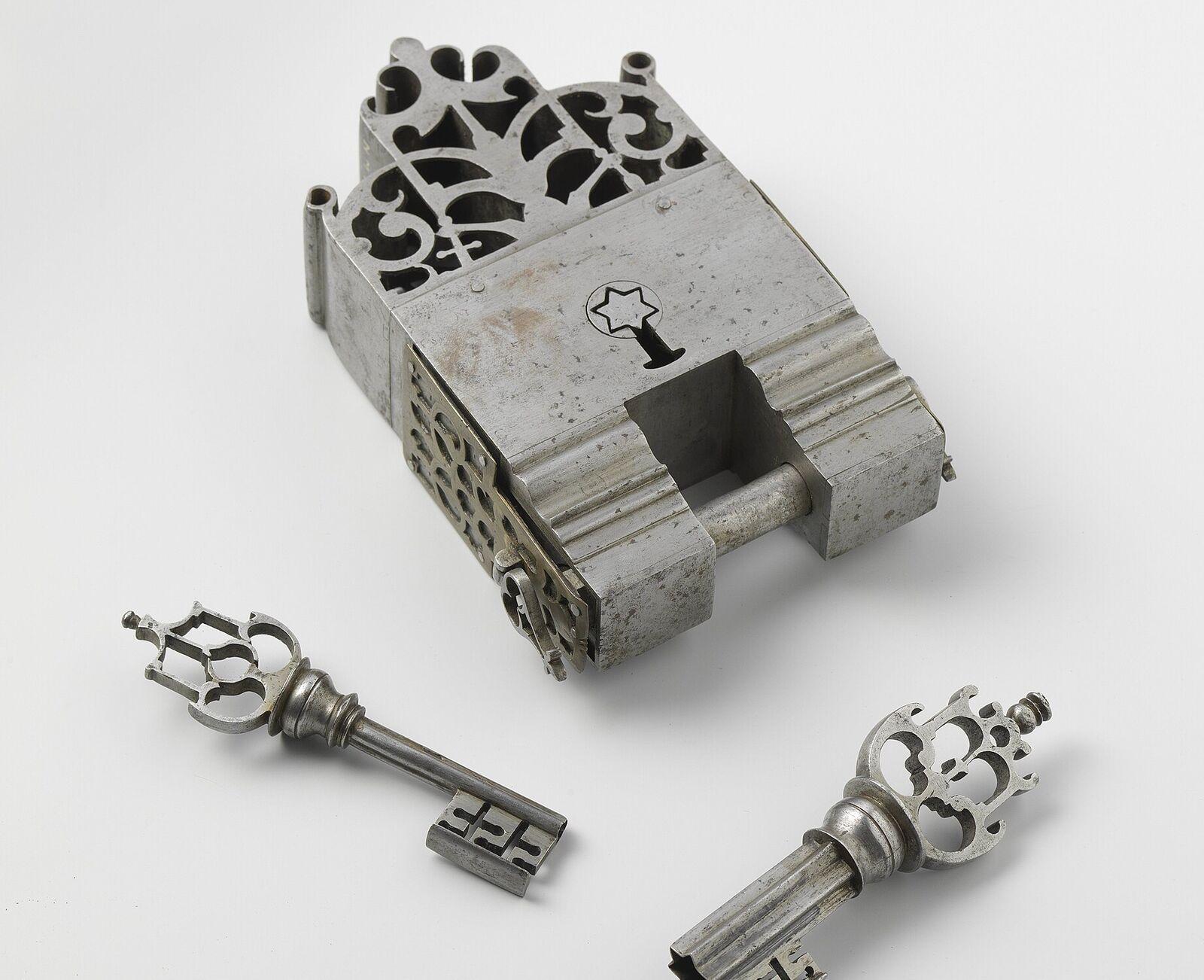
Symmetric encryption shares one key. Asymmetric encryption splits it into a public half and a private half. How two strangers agree on a secret in the open, why real systems always use both kinds together, and what a digital signature proves.
10 min read
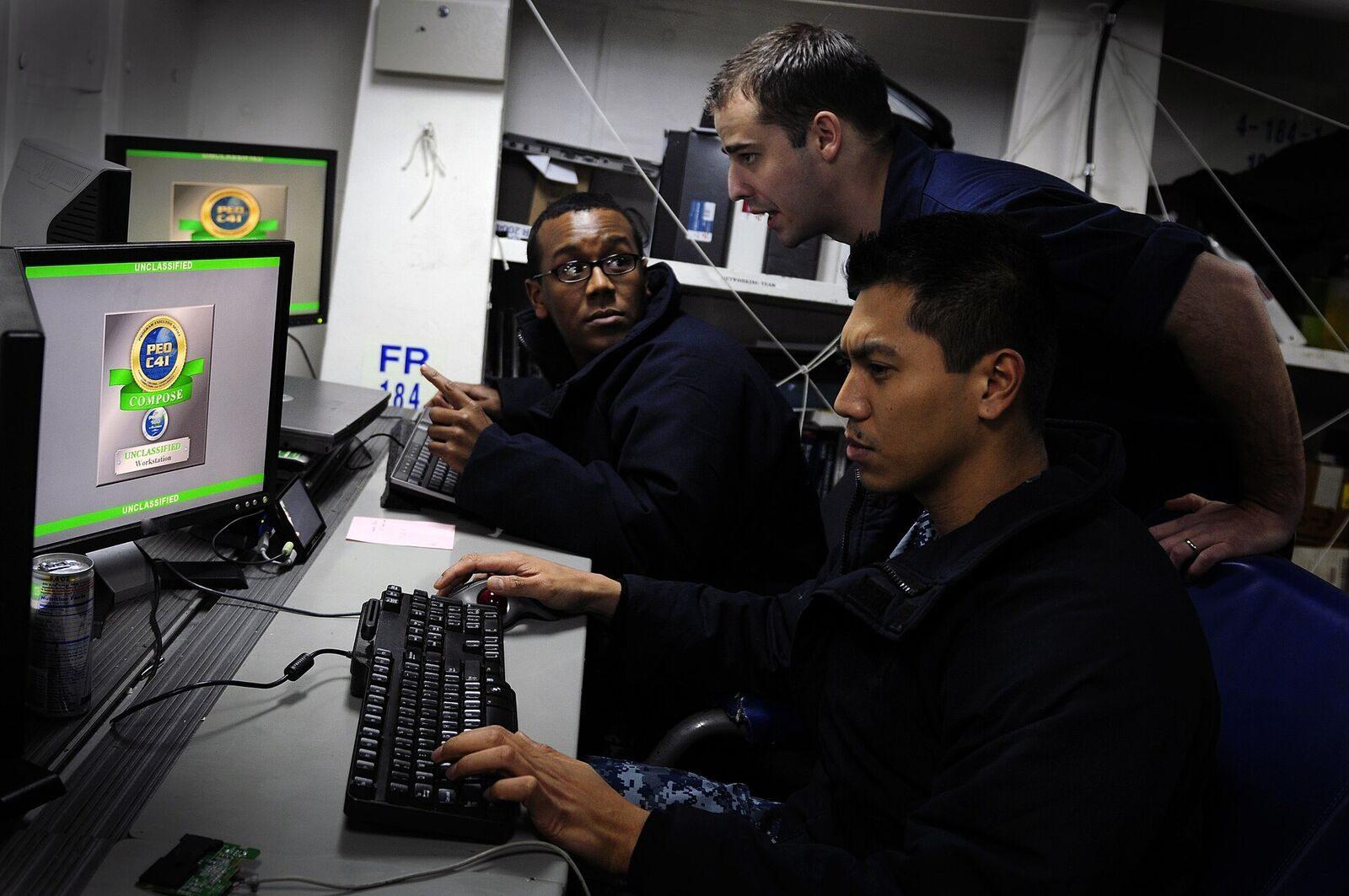
SSH is how you run commands on a computer you are not sitting at. What the first-connection question really asks, why keys beat passwords, how to set one up tonight, and how to lock down a server you own.
8 min read
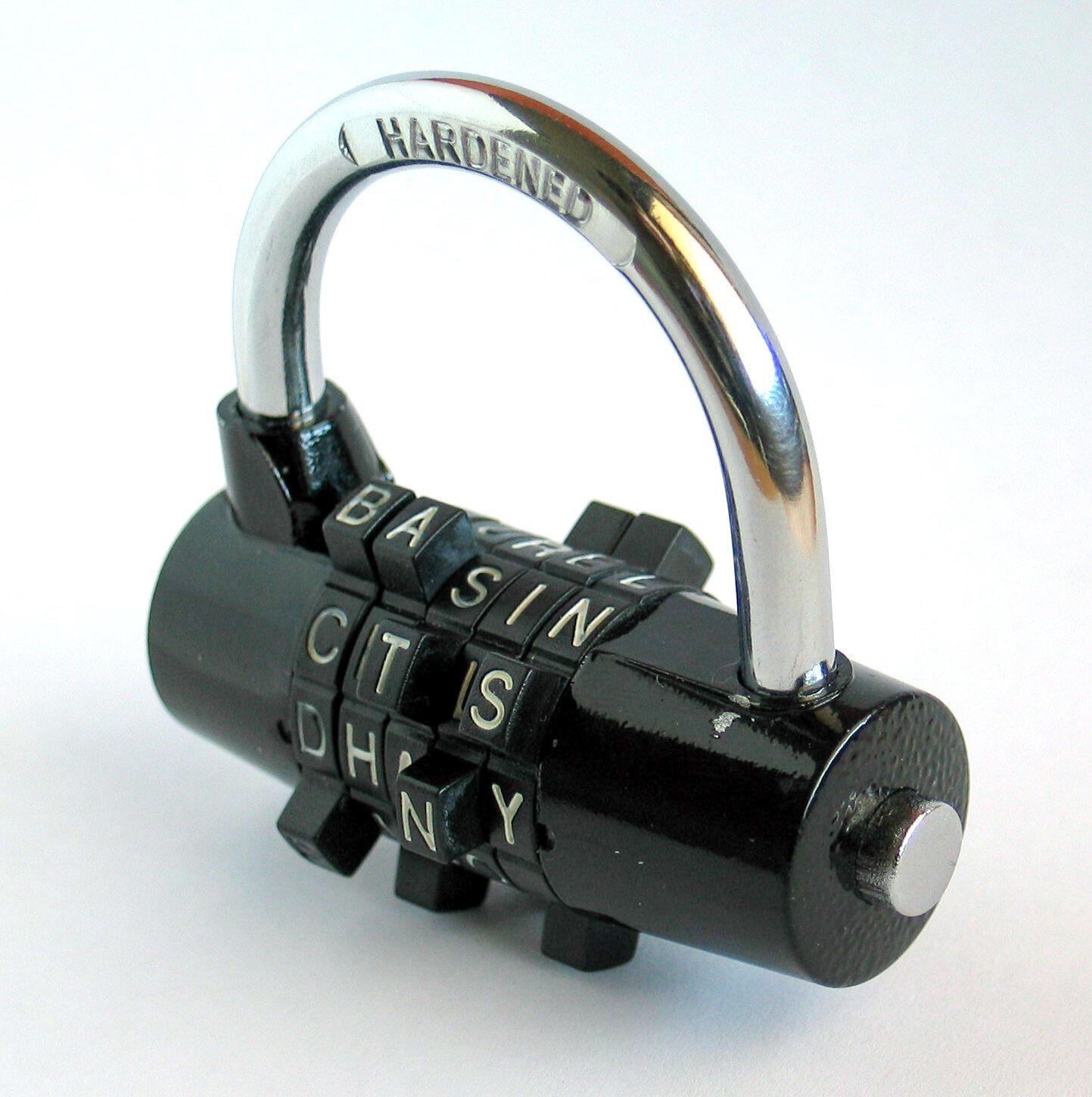
A password manager remembers a different long password for every account so you only remember one. How the vault is protected, what to look for when you choose, and how to move in over a weekend, email and bank first.
8 min read

Encoding, encryption and hashing are three different things that get mixed up constantly. What each one does, where keys come in, how to hash a file yourself, and where you already use all three every day.
8 min read
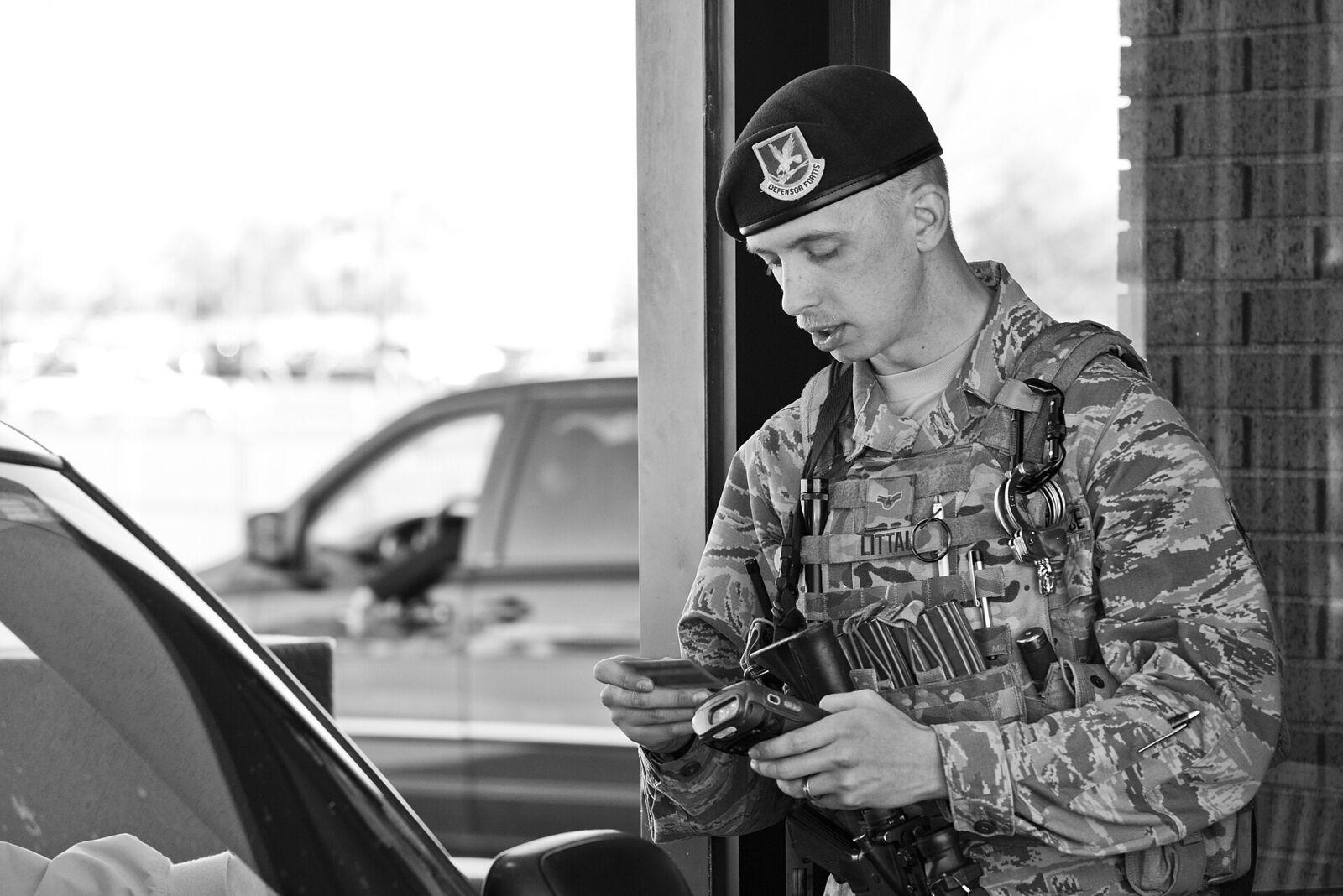
What a firewall does, why NAT is not one, what you really open when you forward a port, and how to host a game server at home without leaving the door open behind you.
9 min read
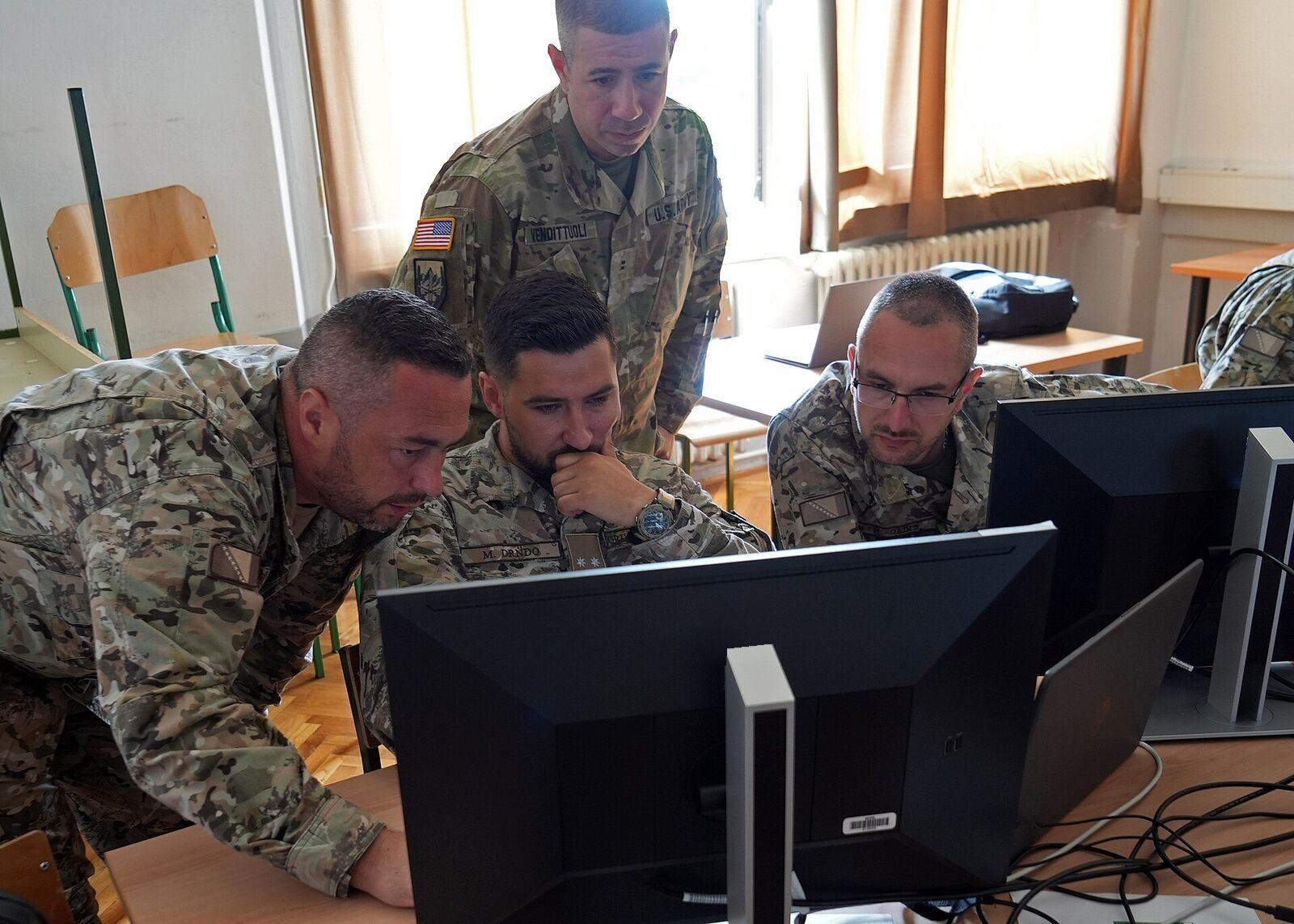
Build a practice lab on your own PC: Kali in VirtualBox, a deliberately vulnerable target beside it, and a private network that touches neither the internet nor your home. Ends when you can ping the target.
8 min read
The latest from official public sources, in their own words. Each headline opens its source.
Source: Cybersecurity and Infrastructure Security Agency. US government work, public domain.
Source: CISA Known Exploited Vulnerabilities Catalog. CC0 1.0.
Source: FBI Internet Crime Complaint Center. US government work, public information.
Source: NCSC. Contains public sector information licensed under the Open Government Licence v3.0.
Shown as published by each agency, and possibly out of date. Listing them here does not mean any agency endorses or is affiliated with Warhawk Division.